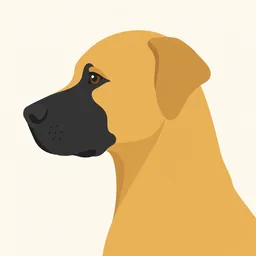
 Black Mouth Cur

You open the door and find a couch cushion shredded across the floor, with your Black Mouth Cur standing beside the wreckage, tail swinging, looking pleased with the day. A wagging tail after a chewed cushion is easy to misread as guilt or defiance.
It is neither. This is a working-bred mouth with energy and nothing assigned to do, in a breed described as combining tenacity and courage with a strong desire to work. Protective Curs also tend to bark at drivers and deliveries, so arousal runs high while chewing fills the gap.
Handled badly, the habit costs you furniture and risks a swallowed scrap. Handled well, you get a dog who settles with a chew. In this article, we'll go through how management differs from skills, then chewing in a small apartment, around young children, and alongside a second dog.
Black Mouth Cur Chewing Basics
Chewing is ordinary dog behavior, and it turns destructive when a working drive lands on your belongings. The breed standard says to judge the Black Mouth Cur as a working dog bred for stamina, which is why a lap around the block rarely empties the tank. Fix the problem in two layers: management stops the damage today, and skills give those jaws a better job.
Management Now
Shrink your dog's world to rooms you can see, using gates and closed doors. Lift shoes, remotes, laundry, and kids' toys onto shelves, cover cords, and put an approved chew in every room your dog may enter.
Because protective Curs often bark at the driveway and deliveries even when friendly, block the window view and keep the settle spot away from the front door. When you can't watch, use a crate or gated safe room with a stuffed chew inside. Every successful session on your couch rehearses the habit, so prevention comes first.
Skills to Teach
Start with a marker word such as yes that pays your dog the instant they pick up an approved chew. Charge it first, following the clicker training basics: sound, then a treat within 3 seconds, repeated in a calm, quiet place.
Next, teach a trade. Hold a treat that beats the chew at your dog's nose, say your cue as the jaws open, mark, treat, then hand the chew back so trading never costs them the item. Last, reward stepping onto a mat, then lying down, then hand over a chew there.
A Progressive Practice Plan
Widen freedom in installments, one freedom at a time. Move up only when the current step feels boring, using these stages.
- Keep your dog tethered to you or in sight, with approved chews in every room and a treat for each good choice.
- Allow short stretches in a larger area while you work nearby, and reward calm chewing as you pass.
- Let your dog roam one room unsupervised for brief periods, with the crate or safe room as backup.
- Leave for short outings, then lengthen them, saving busy times such as delivery hours for last.
Move up after a stretch of clean days with a dog who settles easily afterward. A chewed cushion means the step was too big, not that training failed, so drop back to the last step that worked and ask what changed. If you catch your dog mid-chew, interrupt calmly, redirect to an approved item, and reward that choice. Small steps and boring days win this.
Black Mouth Cur Apartment Chewing
Small spaces concentrate everything. Your dog hears each neighbor's door and every package in the hallway, so alert barking and chewing often arrive together, and fewer rooms mean fewer places to burn energy. The upside is less square footage to manage, so you can make an apartment chew-safe faster than most houses.
Setup That Limits Access
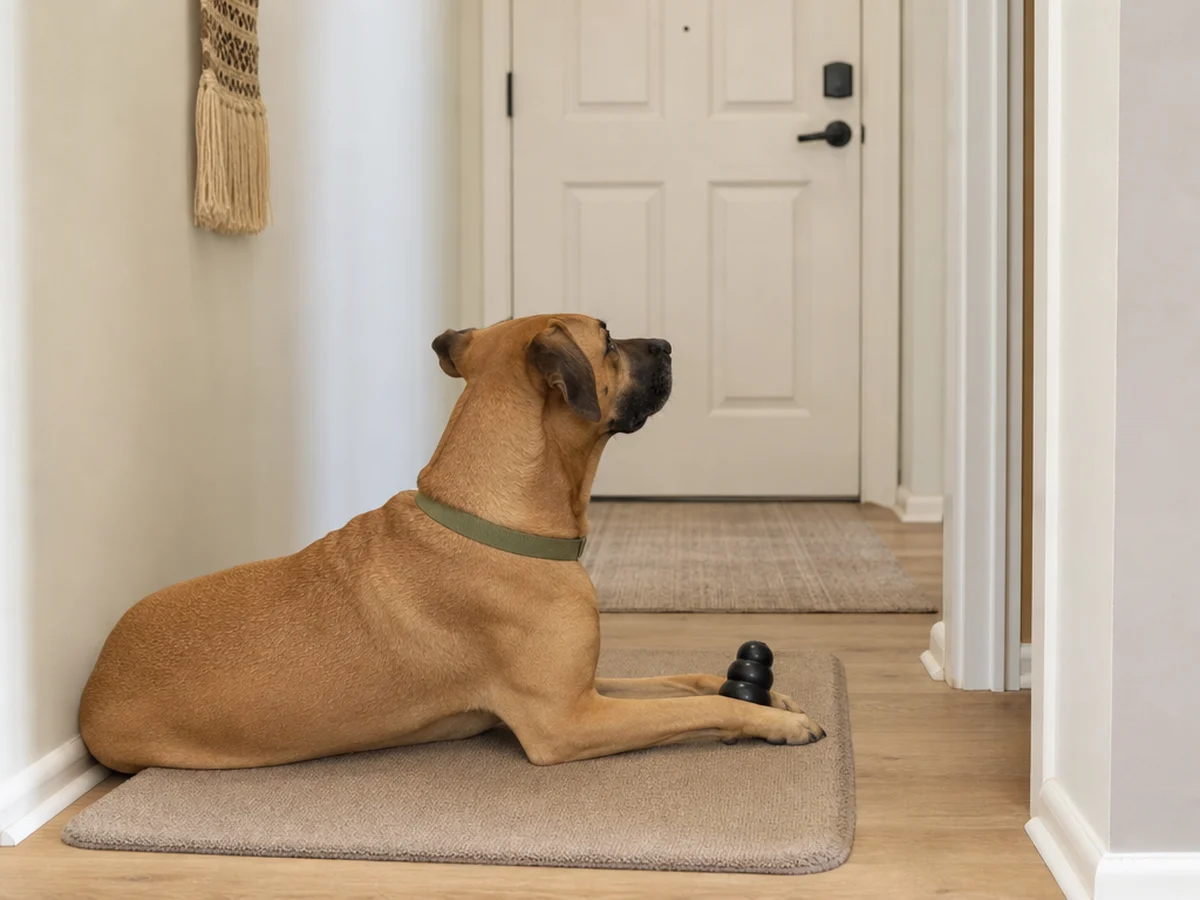
Pick one zone with a gate or pen, such as the space beside your sofa, and move everything chewable out of reach. Face the zone away from the entry so hallway noise doesn't pull your Cur to their feet. Hang bags and shoes on hooks and close the bedroom and bathroom doors.
Keep a small group of chews out, store the rest, and swap them every few days so familiar items feel new. Check each one daily and retire anything cracked or small enough to swallow.
A Daily Routine in Tight Quarters
Open the morning with a sniff-heavy walk, then a short round of tug or trick work indoors, because a Cur's mind needs a workout as much as their legs do. Serve a stuffed chew on the mat while you eat breakfast. Later, scatter treats across a rolled towel so your dog searches, then trade for a chew when the search ends.
Repeat a short mat session after each outing. Brief, predictable rounds beat one long block, and they teach your dog that chewing happens on this spot.
Young Kids and Destructive Chewing
Young children bring quick movement, dropped toys, and snacks at dog height, plenty of temptation for a mouth that keeps looking for work. Work both sides at once: keep the kids' belongings and your dog's chews from overlapping, and keep the kids from setting off grabbing and tugging.
Kid-Proofing the House
Give toys a home above dog height or in a lidded bin, and hand the kids one rule: anything left on the floor may get chewed. Set up a safe space for your Cur, a crate or gated nook with a mat, and teach everyone that nobody reaches in or pulls your dog out.
Keep your dog's chews in their own bin. A plush toy and a chew can look alike, so a clear divide protects both.
Trade Games for Little Hands
Kids run, squeal, and wave toys, and that movement makes a working-bred mouth want to grab. Teach children to stand still and look away when your Cur gets mouthy, then call your dog to the mat and pay them for going. Have an adult run the trade game first, so your dog learns to give up items to grown-ups before kids join in.
Once trading is reliable, a child can toss the treat while you hold the chew, always with you in the room. End the game if your Cur gets wound up.
Destructive Chewing in Two-Dog Homes
A second dog turns chews into currency. Some Curs adore people and care little for other dogs, and some resent a second dog in the home, so a chew left lying between them can start trouble. We have trained this breed for many years, and the lesson that repeats is to build your plan for the dog you actually have, not the one you hoped for.
Separate chew time completely. Give each dog their chew in a different room, behind a closed gate, or in a crate, and pick up leftovers before they mingle. Swap rooms now and then so neither claims a spot. Separation also stops copycat chewing, where one dog starts on the baseboard and the other joins in.
Train each dog alone first. Run marker, trade, and mat games with the other dog behind a gate and out of sight, then bring them together only when both settle.
Some owners report that tension between their dogs grew as the Cur matured, so watch body language and call a qualified professional early if it builds. Unmet play needs can also feed mouthy, wound-up spells, so schedule hands-on tug and active play with you to fill part of that gap.
Destructive Chewing While You Work
A long workday is the hardest version, because a bored Cur with the whole house and no task is exactly the scene at your door. You can't supervise, so you lean on setup, a good outing before you leave, and alone-time skills built in small steps. The goal is a dog who settles when you go.
The Workday Schedule
Before you leave, give a sniffing walk and a short game of tug or find-it. Then settle your dog in the crate or a gated safe room with a stuffed chew, water, and a mat, away from windows that face the driveway, and leave without a long goodbye.
If the day runs long, hire a midday walker or ask a neighbor to help. Build alone time in small steps, lengthening absences only as your dog stays quiet and relaxed.
Signs of Progress
Mark damage on a calendar and look at the pattern across several weeks instead of reacting to one bad day. Progress usually shows up in a few clear ways, like these:
- Your dog reaches for an approved chew on their own when bored or wound up.
- Time in a chosen room passes with no new marks on furniture or trim.
- Deliveries and driveway noise still draw a bark, but your Cur settles on the mat soon after.
- Absences grow longer without new damage.
- After a setback, you recover in a few days rather than starting over.
Expect uneven weeks. A Cur who is warier of delivery workers or men in hats may chew more when visitors or workers are around, so tighten management on those days.
When a Vet Should Look
Most Cur chewing is behavior, but some is a symptom. Keep regular vet visits on your calendar, and call sooner when chewing starts suddenly in an adult who had been settled, when your dog favors one side of the mouth, or when stress signs such as pacing appear. Bring photos of the damage and notes on when it happens.
If the vet finds nothing and chewing continues despite steady management, bring in qualified help. Choose someone who uses reward-based methods, since the evidence points that way even for behavior problems, and ask about credentials, because only a veterinarian with board certification may call themselves a behaviorist.
Chewing Questions Owners Ask Next
Once chewing improves, the same few questions come up again and again. Here are brief answers, each with a link to go deeper.
Are Curs easy to train through all this? Their tenacity and desire to work help, but they also make a self-rewarding chew stick fast when management has gaps. Our Black Mouth Cur temperament and trainability guide covers what to expect and how to pace your plan.
What about the wild greeting at the door? Ask for a mat settle before giving attention, then follow our routine for winding down after work so evenings stay calm.
How do chewing and teething fit together? The Black Mouth Cur puppy training timeline follows the chewing years from the earliest weeks into adulthood, so you can match this plan to the stage your dog has reached.
Where can the working drive go instead? Chewing fills the space where a task should be, so give that drive real work. Our Black Mouth Cur jobs and sports guide lists options that tire the mind too.
Underneath every answer sits one plan, and it suits a dog with this much stamina and this much will. Manage access to your belongings, reward the right chew the moment it happens, and add freedom in small steps. Do that, and the pleased, busy dog from your doorway ends up curled on a mat with a chew you chose.
 BehaviorBlack Mouth Cur and Cats: Teaching Calm Around Small Pets
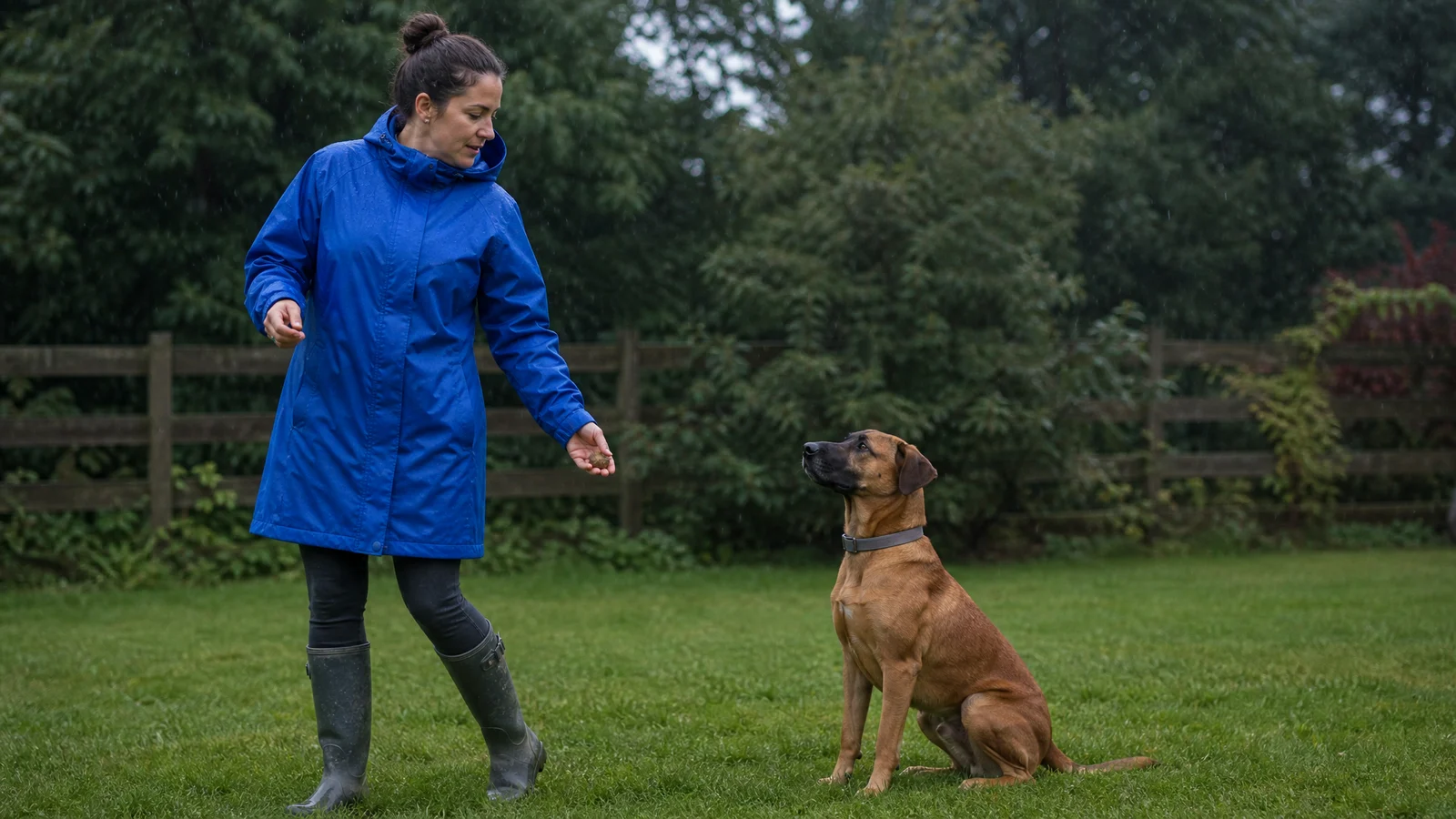 Training basicsSmart and Strong-Willed: Impulse Control and Focus Games
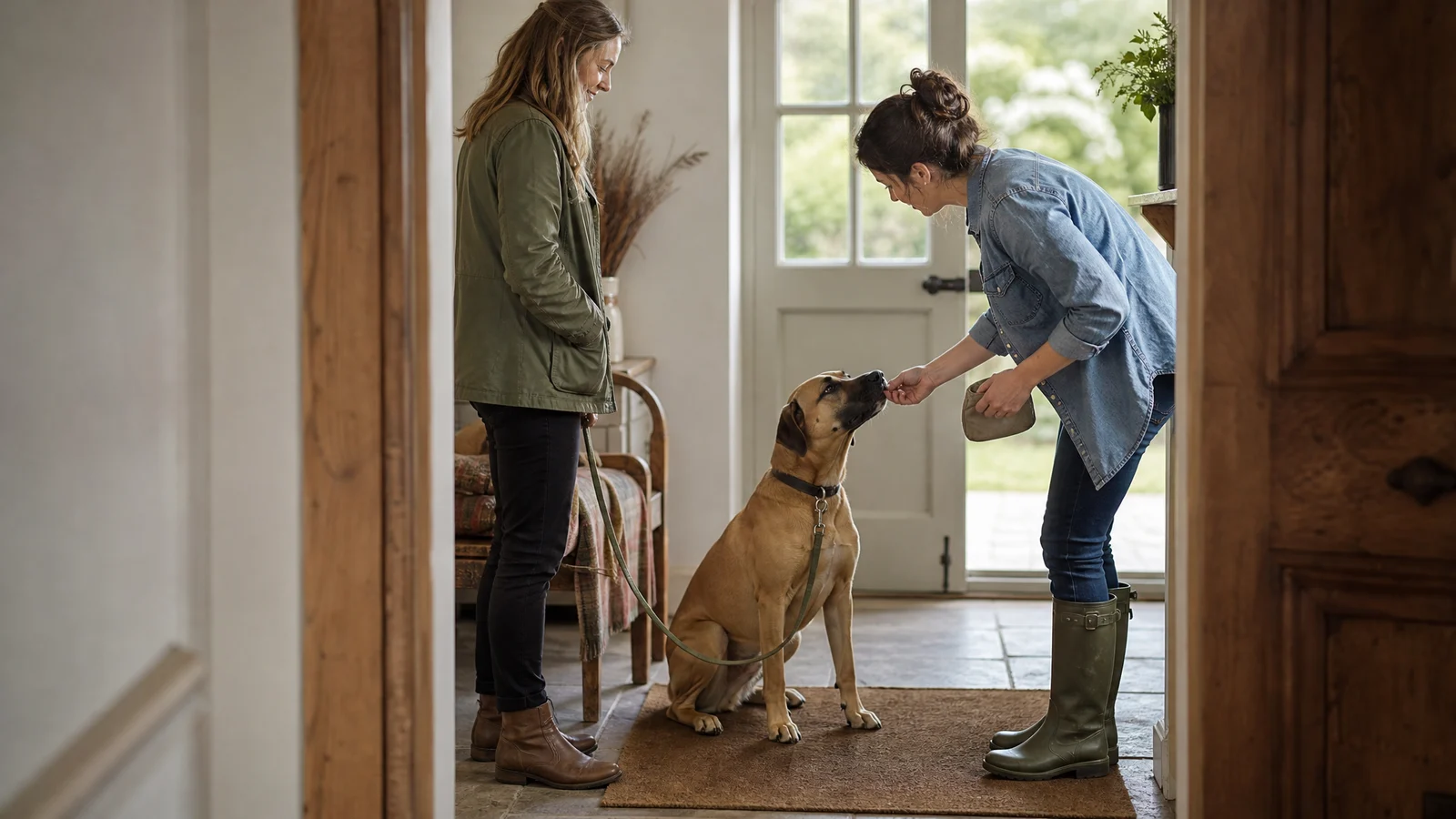 BehaviorProtective but Polite: Teaching Your Cur to Relax Around Visitors