 Black Mouth Cur
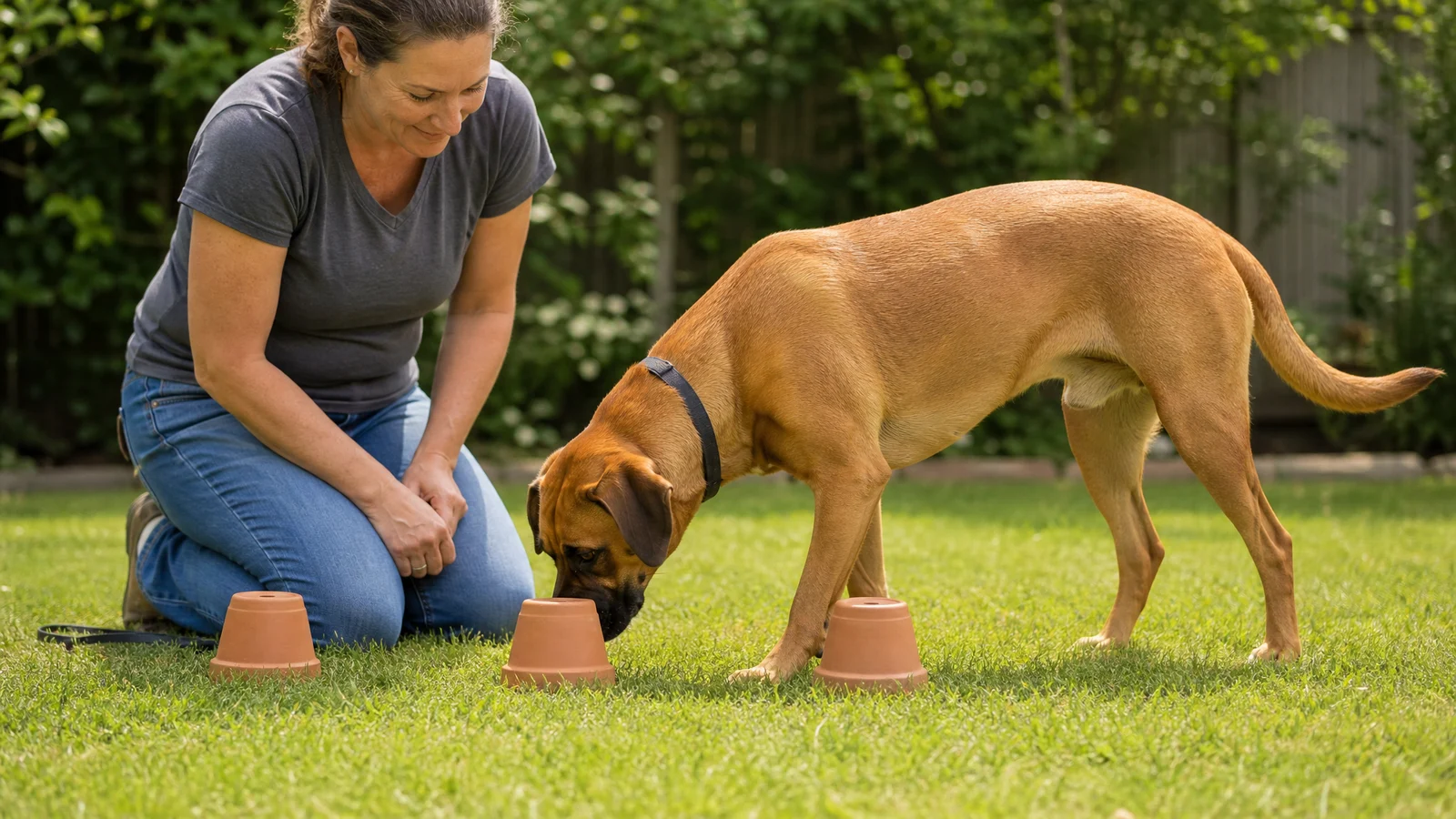
A Black Mouth Cur puppy starts showing work drive in the first months at home, well before any real job is safe for their growing body. Jobs and sports become safe in stages through adolescence and into young adulthood, so the first assumption to test is that work can wait until the dog is grown. Waiting leaves months for the drive to invent its own projects. Starting too hard risks a sore adolescent who learns to dread the work.
This matters for the breed because the Cur was built for stamina and a strong desire to work, and unmet drive tends to come out as fence patrols, pestering and frantic play. Read on for an age-by-age view, why a tired dog is not a satisfied one, what the breed's history says about its jobs, where sports help, how to work in a small space, and when less is better.
A Black Mouth Cur's Working Drive Starts Early
The earliest signs of work drive are quiet ones. A young Cur notices a stranger on the trail before you do, follows a scent across the yard, carries things from room to room, and gets frantic when play is overdue. Because those signs appear so early, the sensible plan is to match the job to the stage rather than wait for a birthday.
What Early Drive Looks Like
Many owners find that puppies get most wound up when they have gone too long without rough play with a sturdy dog who can wrestle and mouth back. Mouthing also rises when puppies are over-tired, and puppies mouth more when over-stimulated or struggling to cope.
No source we rely on gives a firm maturity date for this breed, and dogs vary, so we plan by stage. We have trained Black Mouth Curs for many years, and we would rather see a dog start early with brain work and postpone impact work than the reverse. Early lessons are cheap. A damaged joint or a sour attitude toward work can cost you months.
Sequencing the Stages
The table shows how we sequence the stages, with what fits now and what is worth postponing.
| Stage | What fits | What waits |
|---|---|---|
| Puppyhood | Name response, check-ins, settling, easy scent games, calm play with sturdy dogs | Long runs, repeated jumping, hard pounding on sidewalk |
| Adolescence | Longer scent searches, foundation skills around distractions, structured play, a light taste of sports | Repetitive impact, big endurance outings |
| Young adult | Regular sport training, longer outings, role-specific skills for search, detection or therapy | Pushing through tiredness or soreness |
| Mature adult | A steady routine at the workload your vet agrees to | Sudden jumps in difficulty or hours |
If focus slips during adolescence, shorten sessions and keep rewards high. The trade-off is real. Pushing harder now buys a quick result and can cost you the dog's willingness later, while shorter, easier sessions keep the habit alive until focus returns. Keep the jobs small, keep the rewards high, and treat this stretch as maintenance rather than a test.
Build the Check-In Habit First
One habit belongs in the very first stage. Some Curs react at once to people or changes in the surroundings, and rewarding a calm look back at you turns that sharp awareness into a check-in habit on walks and trails. Pay for it early with a treat or a word of praise, because it is far easier to build in a puppy than to add to a strong, fast adult.
Signs Your Dog Is Ready to Move Up
Move up a stage only when body, brain and manners are all ready. Look for these signs together:
- Your veterinarian has examined your dog and agrees they are ready for harder effort, which is worth asking at every regular checkup as they grow.
- Recall, loose-leash walking and a settle on a mat hold up with distractions around.
- Your dog eats, drinks and sleeps normally after sessions and moves freely the day after.
- The calm look back at you is a habit, not an occasional lucky event.
Dog Sports Can Tire a Black Mouth Cur Without Satisfying
The UKC standard asks that the breed be judged as a working dog, one bred for stamina that combines tenacity and courage with a strong desire to work. Read that last phrase closely. It describes a wish to do something, not a need to wear out muscles, and that is why extra miles so often disappoint.
Tired Body, Idle Mind
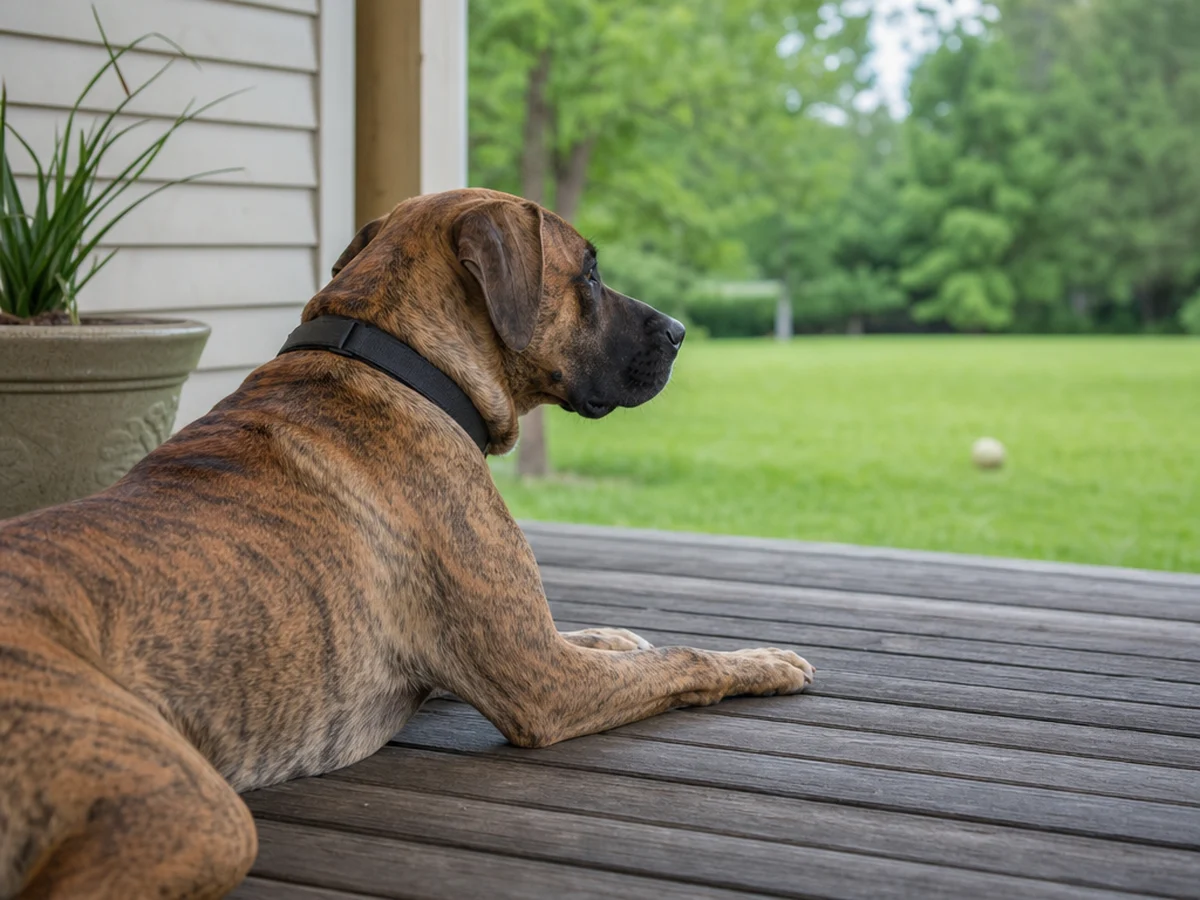
A long run can empty the legs and leave the task-hungry brain untouched. A Cur with leftover drive may invent jobs of their own, like patrolling the fence line or shadowing you from room to room. Those are jobs too, just not the ones you would have chosen.
There is also a cost down the road. Heavy daily exercise builds a fitter dog, and a fitter dog needs more to feel tired tomorrow. The popular advice that a tired dog is a good dog quietly turns into an arms race. A short search game that ends in a found toy often settles a Cur better than another lap of the neighborhood.
Play Is a Scheduled Need
Much of the "too much" energy owners describe looks like unmet play need. The intensity of a Cur can overwhelm other dogs, and the puppy who is overdue for wrestling with a sturdy partner is the one climbing the walls. Many owners say frequent time with other big dogs helped a great deal. Put suitable playmates on the calendar the way you would put a lesson there.
When the Playmate Is Small or Old
The other side of that intensity is the smaller or older dog at home. A Cur can dominate or pester a tiny or senior housemate without meaning any harm, and the gap tends to grow as the Cur matures. Some owners report serious scuffles once the Cur is bigger and older.
Plan for it now. Supervise introductions, call breaks before the Cur gets wound up, and give the smaller dog a separate rest space they can always reach.
Is the Black Mouth Cur Only a Hunting Dog?
The hunting-only label survives because hunting is the easiest part of the history to see. The fuller record says early American settlers widely used these dogs as all-round workers, and only later, as Americans moved west, did they serve as hunting dogs and family guardians.
A homestead needed one dog for whatever the day demanded, so the verdict is no. The breed was recognized on November 1, 1998, and sits in the Scenthound Group, which points to the nose as a core tool. This article skips game work entirely and looks at the modern outlets that follow from the same traits.
Trailing and Searching
Search and rescue and detection work lean on endurance, nose and persistence, all things the breed brings. You can rehearse the skill at home long before any formal role. Have a family member hide in another room while your dog finds them, or lay a short scent trail of treats across the yard. Keep the early games easy and let your dog win often.
Carrying and Fetching Chores
Old farm help translates well to the household. Teach your dog to carry a named item to you, to bring a toy to a basket, or to find a hidden object on cue. Retrieving here is play and chores only, a game with a toy and nothing more, and the reward is what makes it a job worth doing.
Calm Companion Roles
Therapy work needs a calm, friendly dog who looks to the handler. Service work asks even more, since trainers say the hard part is producing a dog who is quiet, attentive and unfazed in many environments. A Cur who reacts instantly to every change faces a real hurdle there. Build the check-in habit first and be honest about temperament. A dog who is more watchful than relaxed may be happier in scent-based roles than in crowded public ones.
Do Dog Sports Count as Real Work?
They count when they ask your dog to solve a problem with you, and they fall short when they become a lap of fast repetition. A sport is a scheduled outlet with rules, an audience and a score. A job is woven into the day and has a visible result. This breed does best with both, and the sport is the easier one to start.
These options use the nose and reward focus over speed, which makes them the best first picks:
- Scent games and nose-work style searches turn the breed's best tool into a structured game with a clear finish.
- Obstacle foundations, such as walking over low boards and through tunnels, build confidence and body awareness without hard impact.
- Obedience-style exercises and trick training give a thinking dog a clear task and a clear reward.
- Hiking at an easy pace with frequent check-ins uses stamina while keeping the habit you have built.
Where sports fall short is in crowds and speed. A Cur who notices everything may find a chaotic class overwhelming, so watch a session alone first and look at how nervous dogs are treated. Eligibility also varies by organization and registry, so ask before paying fees or planning travel.
Think about what a sport costs you later as well. A sport that rewards raw speed can teach an intense dog to ramp up faster, and you will then spend training time on calming down. A sport that rewards thinking, such as scent searches, tends to leave you with a dog who is both eager and steady. Choose the one that builds the dog you want at home.
Dog Sports Don't Need Acres, and Other Space Myths
The belief that only rural owners can give a Cur meaningful work confuses the setting with the task. The old homestead jobs were about being useful, and usefulness fits in an apartment as well as a pasture. What you need is variety, short sessions and a reward your dog cares about.
A Sample Day in Small Space
Daily exercise amounts vary with age and fitness, so ask your veterinarian where your dog sits. A sample day for a healthy adult might look like this.
Start with a sniff-heavy walk in the morning, letting the nose lead. Follow it with one short training session built around a task, such as finding a hidden toy or carrying an item to you, and give a food puzzle or scatter-feed session while you work or cook.
Scheduled play with a suitable partner several times a week belongs in the plan too, and the evening can close with a settle on a mat with a chew.
Brain Games and Tracking Games
Brain games need almost no equipment. Hide a treat under one of several upturned cups, roll treats into a towel for your dog to unroll, tuck a toy behind a chair, or ask for a find in a different room each day. Rotate them so none becomes boring.
Tracking games work well indoors and in small yards. Drag a treat along the floor in a winding line and let your dog follow it to a reward, then make the line longer and the turns sharper over several days. Carrying chores add a second layer, such as bringing in a lightweight item from another room. Both give a dog with a strong desire to work a start, a middle and a finish.
More Dog Sports Practice Is Not Always Better
Stamina is the trait that makes overwork easy. Many Curs keep going well past the point of useful effort, so the dog will rarely volunteer for rest and you have to schedule it. Plan in weeks. Pair each hard day with an easier one, and put a quiet day after any big outing.
A rest day is not a day without a brain. An easy sniff walk, a chew and a food puzzle keep the mind busy without taxing the joints. Check your dog against these signs after a busy stretch:
- Reluctance to start an activity they normally love.
- Stiffness, limping or slowness to rise the next morning.
- Mouthing, pestering or frantic play that gets worse as they tire.
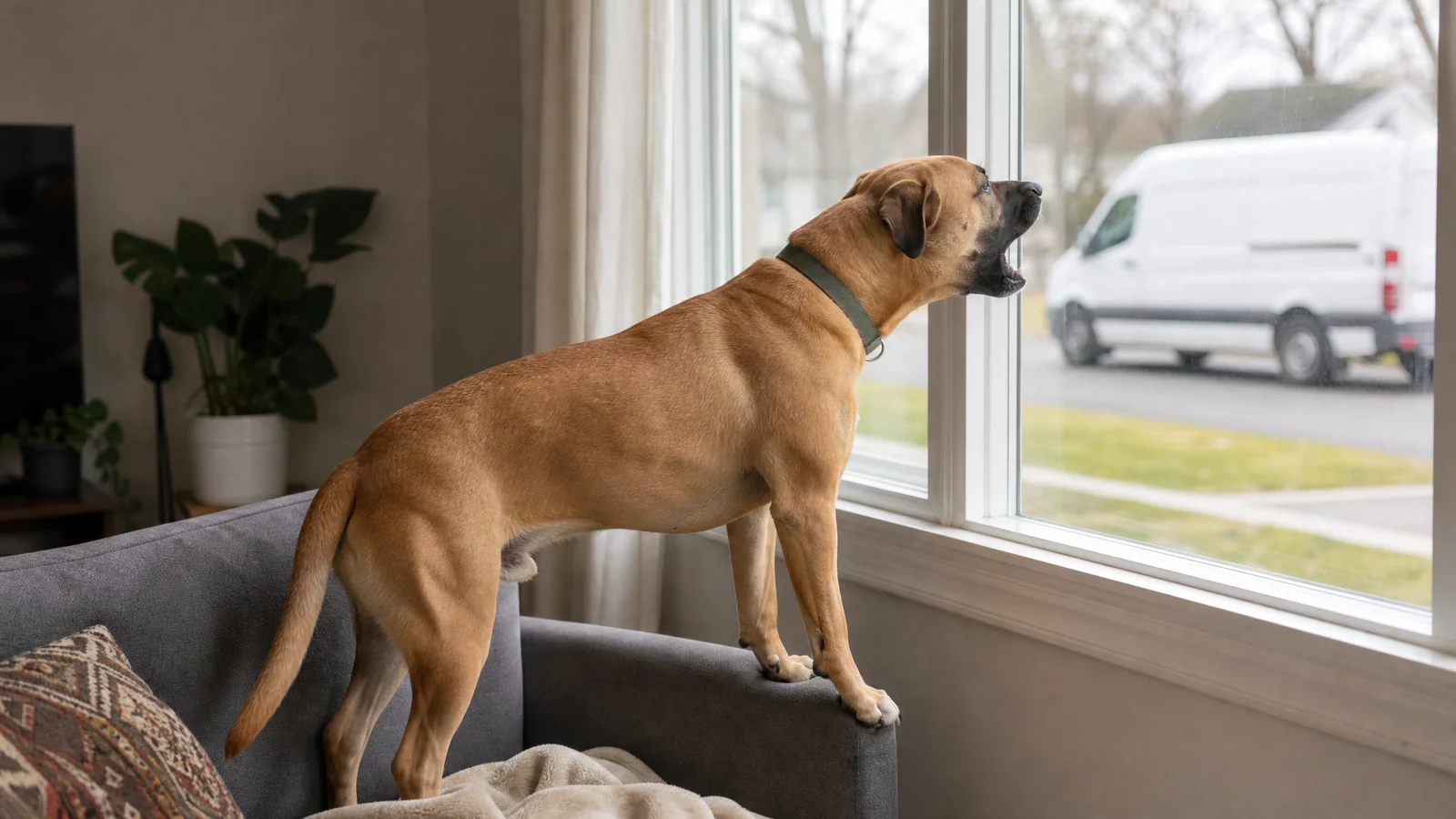
- Sudden barking or restlessness, since pain can cause barking and a vet exam can rule out medical causes.
- Sharper reactions than usual to people and sounds.
Several signs together mean cutting back and calling your veterinarian. Sometimes the answer is different work rather than less. A dog who stalls on a sport may be asking for a nose task instead, and regular checkups help you catch problems early.
Handing Your Black Mouth Cur a Job This Week
Pick one job that fits your dog's stage and run it for a full week. A hidden-toy search suits nearly every stage because it uses the nose, takes little space and ends in a reward. Build it like this:
- Show your dog the toy, say a find cue and drop it a few steps away in plain sight.
- Mark the moment they touch it and reward with a treat or a game.
- Over a few days, hide it behind furniture, then in another room.
- Add a calm look back at you before each release, rewarding it every time.
- End each session while your dog still wants more, then ask for a settle.
The takeaway is simple. A Black Mouth Cur needs a real task more than extra miles, and the task can be small as long as it is purposeful and repeated. Meet that need on purpose and the invented jobs fade.
By now, a few follow-up questions are probably forming. How do you teach foundation skills, such as recall and settling, without fighting the drive? Why does your Cur keep pestering, patrolling or barking, and which of those habits are instinct rather than a problem?
How watchful is too watchful for the temperament, and when is it worth bringing in an experienced trainer and your veterinarian? Each of those is worth its own careful look, and the work you start this week gives you a calmer, more focused dog to build on.
 BehaviorBlack Mouth Cur Behavior Problems and the Instinct Behind Them
 Training basicsCrate Training a Black Mouth Cur and Preventing Separation Anxiety
 Exercise and jobsHow Much Exercise Does a Black Mouth Cur Need? Plus Brain Games