 Black Mouth Cur
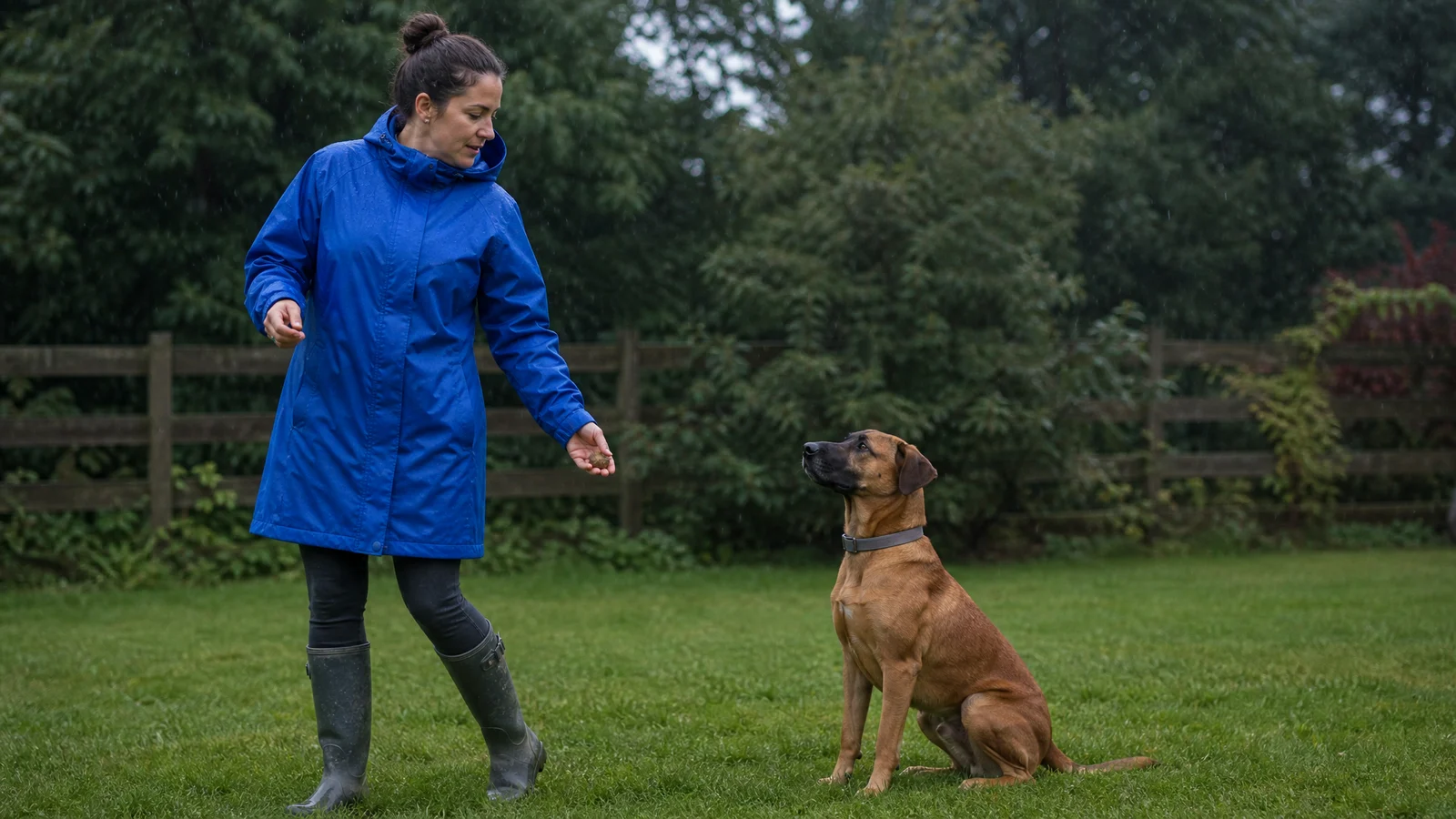
The treat is barely offered before it vanishes, snatched from the fingers, and the dog is already halfway to the door while the cue is still in the air. The owner is baffled, because that same dog learned sit in a single afternoon.
Nothing about this is defiance. A Black Mouth Cur pairs fast learning with a strong drive to act, and every grab or dash that works teaches them to repeat it. That makes impulse control, the ability to pause before acting on an urge, a core skill for this breed. Left untrained, the habit hardens into door-bolting and food theft. Taught well, the same drive produces a dog who can think under pressure.
Read on for the working history behind this speed, why self-rewarding takes hold so fast, and short games for wait, leave it and settle, finishing with what progress looks like over the years.
Smart and Strong-Willed in Black Mouth Cur Training
Black Mouth Curs are smart in the way that matters most for training. They link an action to its result quickly and remember what paid off. The catch is that this quickness applies to every lesson on offer, even the accidental ones, so a dog who learns that bolting through the door leads to a thrilling yard has learned just as well as a dog who learned to sit.
That is the paradox at the heart of this breed. The breed standard describes tenacity and courage paired with a strong desire to work, and a dog built that way commits fully to whatever is in front of them. Acting first and thinking second is the natural result. Our work centers on how these dogs behave and learn, and we hold that impulse control must be taught in small, rewarded pieces, because it rarely appears on its own.
Structure matters here. Reward-based training is not a free-for-all, and clear structure, routine and guidelines that stay consistent help a dog make sense of what pays.
Smart and strong-willed are not opposites in this breed. They run on the same engine, and training is the work of steering it toward choices you like.
Where the Black Mouth Cur Earned a Living
The best window into what these dogs were made for is the standard itself. It describes a medium-sized tree dog who is powerful and agile, asks that the breed be judged as a working dog, and counts faults more heavily the more they get in the way of the work. It also says plainly that this is a dog bred for stamina.
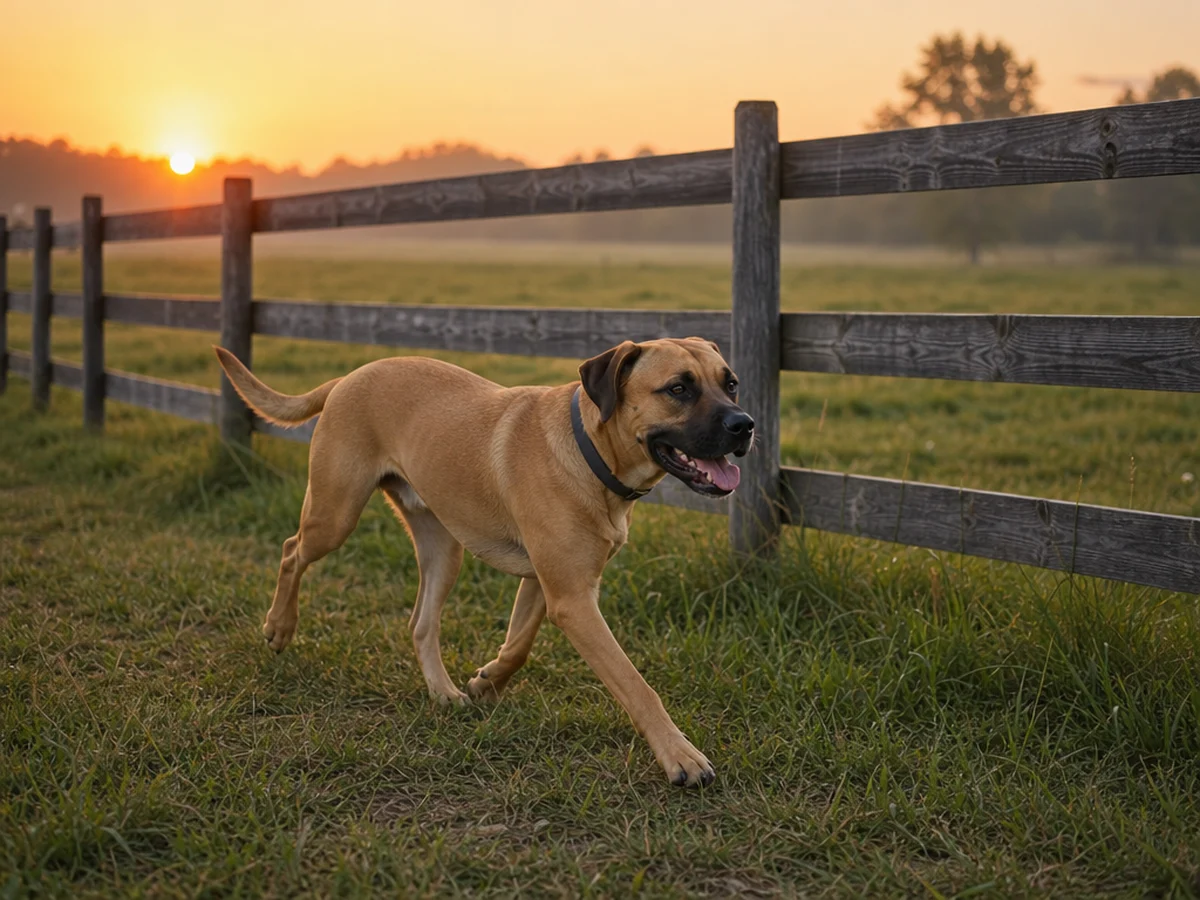
That matters at home because stamina and tenacity do not switch off at the front door. A dog bred to stay on a task for a long stretch will also stay on a squirrel, a dropped sandwich or the gap in the gate, and they will keep at it long after a less committed dog has quit. Individual dogs vary, so treat this as a tendency to plan around, not a guarantee.
The standard also prefers silent trailers, meaning dogs who follow a scent track without constant noise, and allows a loud, deep chop on a bay or tree but never a full-blown bawl mouth. We read that as a hint about temperament, since the ideal worker was focused and restrained, not frantic. Viciousness and extreme shyness are disqualifications, so the target was always a steady, confident dog.
So the dog on your sofa comes from workers valued for staying committed, the very trait you now ask them to pause. Pausing is a new job, and it must be paid well.
Why Does Quick Training Mean Quick Self-Rewarding?
A self-rewarding behavior pays the dog directly, without you handing anything over. Snatching food, bolting through a door, grabbing a sock off the floor and chasing a squirrel all qualify, because the reward arrives the instant the dog completes the act. The dog does not need you to be present for the lesson to land, which makes these behaviors some of the strongest habits a dog can form.
Because this breed learns quickly and commits fully, a handful of successes can build a habit. Each time the dash works, the dog records that dashing pays, so the next attempt is faster and more confident. We have trained this breed for many years, and the pattern is steady: knowing a cue and being willing to hold it under excitement develop at very different speeds.
The fix follows from the cause. Reward-based training raises the odds of a behavior when the dog gets something they really like, so the job is to make waiting and ignoring things pay better than grabbing. Food, toys and praise all count, and so do everyday rewards like a door opening or a leash clipping on.
Management carries the other half. Every rehearsal of the habit is a paid repetition, so use gates, leashes and closed doors to stop old lessons from outrunning new ones.
Wait Games in Black Mouth Cur Training
Wait is the most practical impulse-control cue because it can be taught as a game with a clear start and a clear end. Define it as holding still until you say a release word, such as okay. The release is the key for a dog this driven, since waiting is only bearable when it reliably ends in the thing they wanted. The door opens, the bowl lands or the toy appears the moment you release.
Start with seconds, not minutes. A tenacious dog tends to try harder, not less, when asked to wait too long, and every failed attempt that still gets them through the door teaches persistence. Keep early rounds so short that success is almost certain. A simple door game shows the pattern.
- With the dog on a leash at a closed door, cue wait and reward the first moment of stillness, then say your release word.
- Open the door a crack. If the dog surges, calmly close it and reset, which ends the round without drama. If they hold, reward and release.
- Make the gap a little wider each round, but only once the dog has held through several tries in a row.
- Finish with the door fully open and the dog waiting, then release them through it, so an open doorway becomes a cue to look at you.
Bowls and other thresholds follow the same rule. Lower the bowl toward the floor, stop if the dog lunges, and set it down only once they hold still, then build the pause gradually. Curbs, car doors, gates and the edge of the yard are thresholds too, and a dog who learns that waiting opens each of them starts to check in with you, a habit that carries into Black Mouth Cur leash training for pulling.
Keep wait games short and stop on a success. A driven dog who ends frustrated tends to take a reward for themselves on the way out.
Leave It Training Through Short Games
Leave it means turning away from something the dog wants and toward you, in exchange for something better. For a breed with this much tenacity, the cue has to be built in steps, because a dog who has never practiced giving up an object will not suddenly manage it when a dropped chicken bone lies on the sidewalk. Short games do the work.
Start With a Trade
Hold a treat inside a closed hand and let the dog investigate it with their nose or a paw. As soon as they ease away, even a little, say a marker word like yes and pay from your free hand. This teaches that giving up what they want earns something better, which is the whole logic of the cue. Keep repeating until they back away on their own whenever they see the closed hand.
Cover the Treat
Next, place a treat on the floor and cover it with your hand or shoe. The dog may dig, nudge or stare. Reward the moment their eyes come up to you, and deliver the treat from your hand rather than the floor, so looking at you pays and the floor never does. Then uncover a little more at a time, and cover it again if the dog lunges.
Move to Real-World Objects
When food games are reliable, practice with toys, then socks and shoes, then things the dog cares about. Pay a premium reward for leaving the best objects, such as a favorite treat or a quick game of tug.
Expect to rebuild the game whenever the object gets more exciting. Each step up in value is a new test for a dog who commits fully, so drop back to easier rounds without fuss.
Can Settle Training Work for a Driven Dog?
Yes, but on a longer timeline than sit or wait. Settle means relaxing on a mat, and a dog bred for stamina does not treat lying still as the default, because rest is something they take once the work is done. Settle often takes longer than sit or wait for a dog like this, and it rewards patience, since calm cannot be forced and can only be made rewarding.
A short nose work game, where the dog sniffs out hidden treats, gives a high-energy dog practice at focusing before you ask for stillness. Then build the mat routine in small steps.
- Choose a moment when the dog is pleasantly tired, put a mat in a quiet spot, and drop a treat on it whenever they step on it, so the mat becomes a favorite place.
- When the dog lies down on their own, calmly drop a treat between their paws, then another a little later, stretching the gaps gradually.
- Add a cue word only after the dog heads to the mat by themselves.
- Practice while you do something dull, such as watching television or eating dinner, and reward calm before the dog asks for attention.
Build Duration in Weeks
Plan on weeks of daily practice before the dog settles for a meaningful stretch with mild distractions, and longer before the skill holds when they are excited. We cannot give an exact schedule because dogs differ, but the order is reliable: boring places first, busier places later. Use settle at predictable times such as meals, visitors arriving and evenings, so the mat becomes the place where the dog learns what to do with a surge of energy.
A sudden change in a dog's ability to rest is a good reason for a vet visit, and regular checkups are worthwhile in any case. Discomfort can look a lot like restlessness.
Calm is a trained behavior in this breed, not a personality setting. It grows fastest when you reward it often, in short sessions, long before the dog is desperate for rest.
A Black Mouth Cur's Impulse Control Training Over Time
Self-control in this breed arrives in layers, not all at once. A young dog often shows it first in quiet rooms, then in the yard, and only later on a busy sidewalk or when visitors arrive. Adolescence commonly brings a dip, when skills the dog seemed to know vanish under new energy and curiosity. That is a normal stage rather than a sign that training has failed.
Through adolescence, keep sessions short and rewards frequent, and manage the environment so old habits get few chances to pay. As the dog matures, the same games stretch: waits last longer, leave it holds at a distance, and settle survives noise. It takes steady practice over a long stretch for the layers to knit together, and dogs vary in how quickly they get there.
These skills also feed everything else. A dog who can wait and leave things is far easier to teach coming when called, because it draws on the same trust and the same history of paid choices.
Because a Black Mouth Cur is built to commit fully, aim for a dog who learns that pausing is the quickest route to what they want, not one who stops caring. Keep a few short games in daily life, give the drive real exercise and work, and keep regular vet visits on the calendar. Done steadily, the tenacity that once made them hard to interrupt becomes steadiness you can rely on.
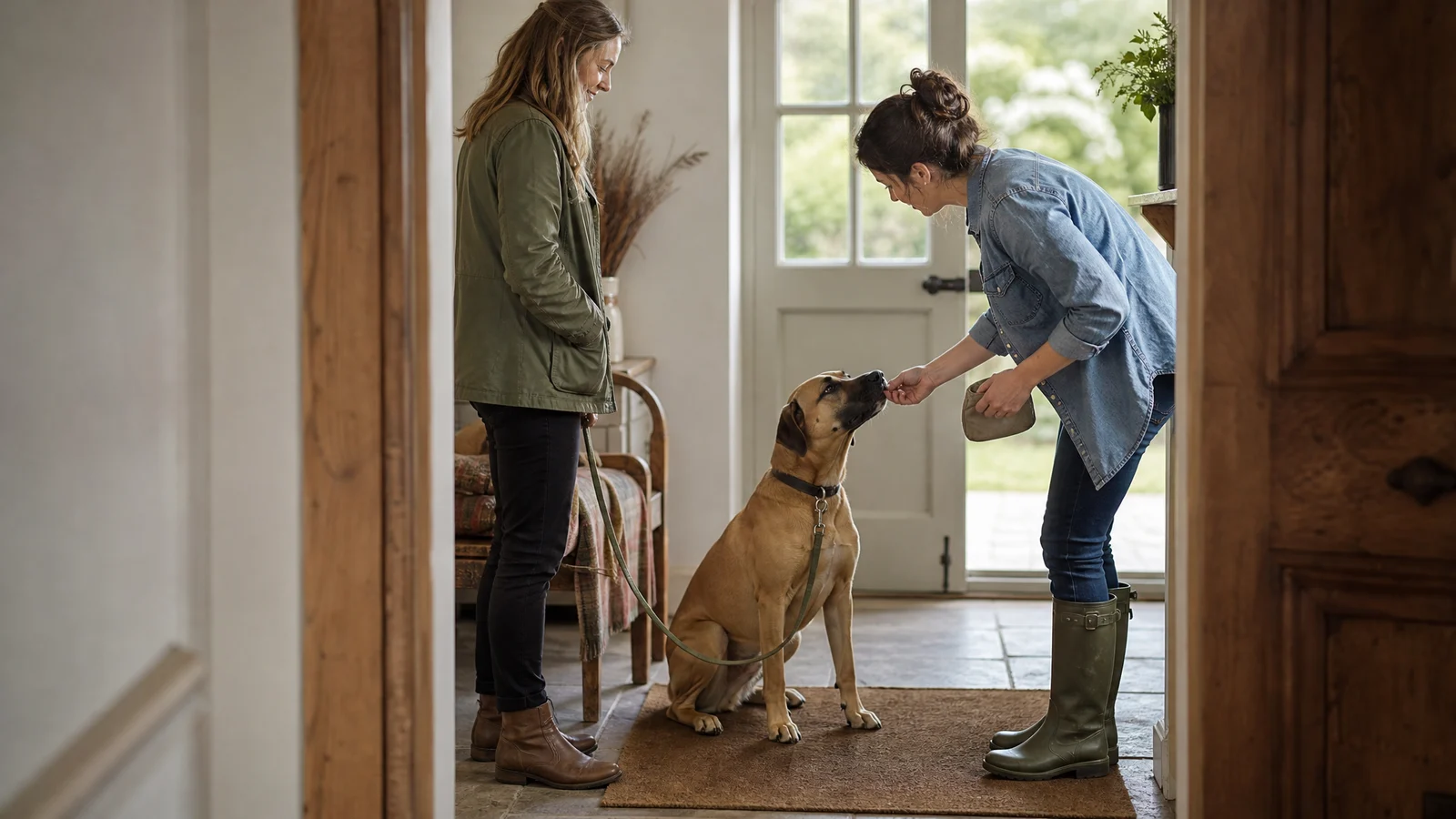 BehaviorProtective but Polite: Teaching Your Cur to Relax Around Visitors
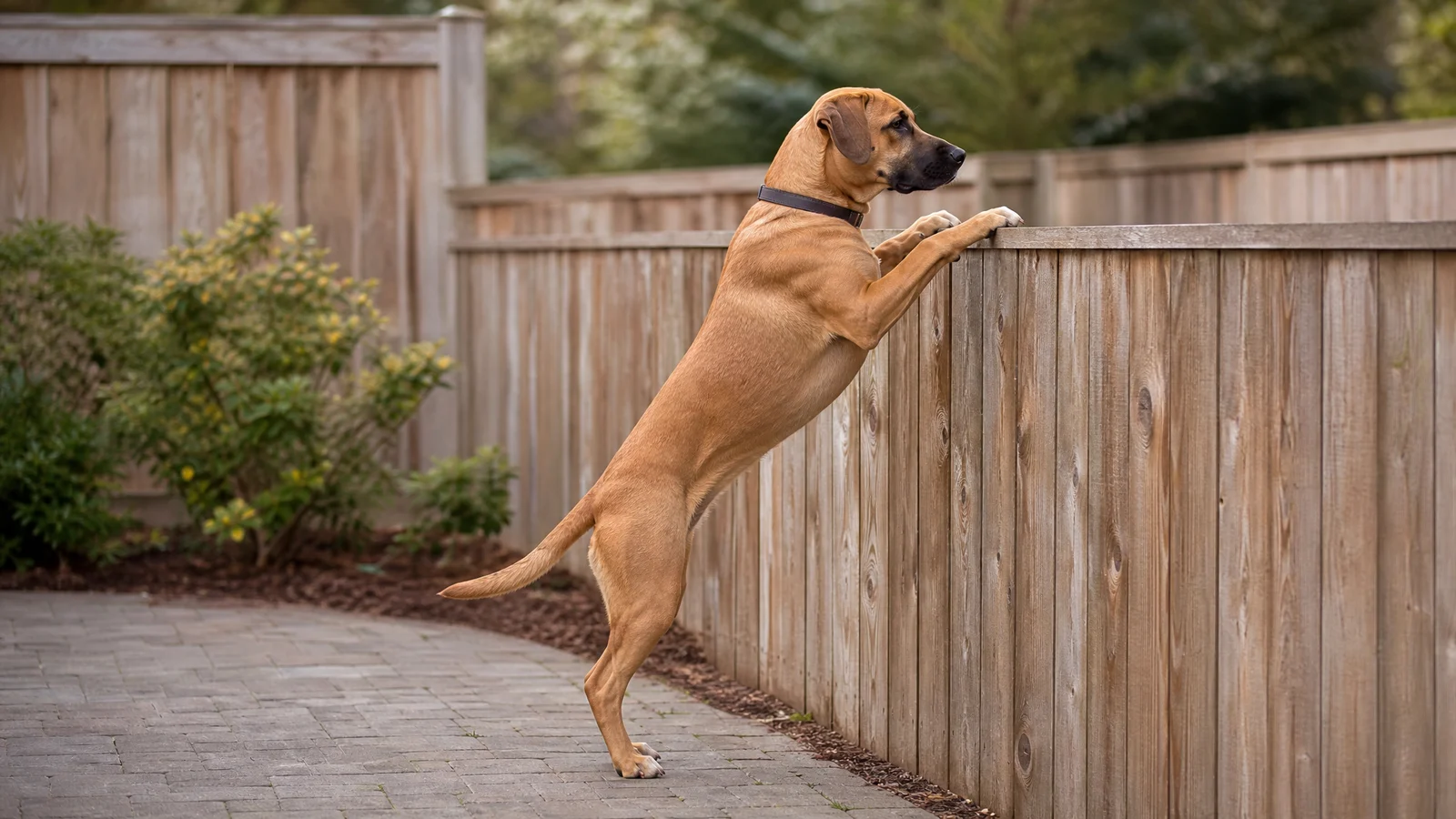 BehaviorFence Jumping in Black Mouth Curs: Secure Yards and Better Outlets
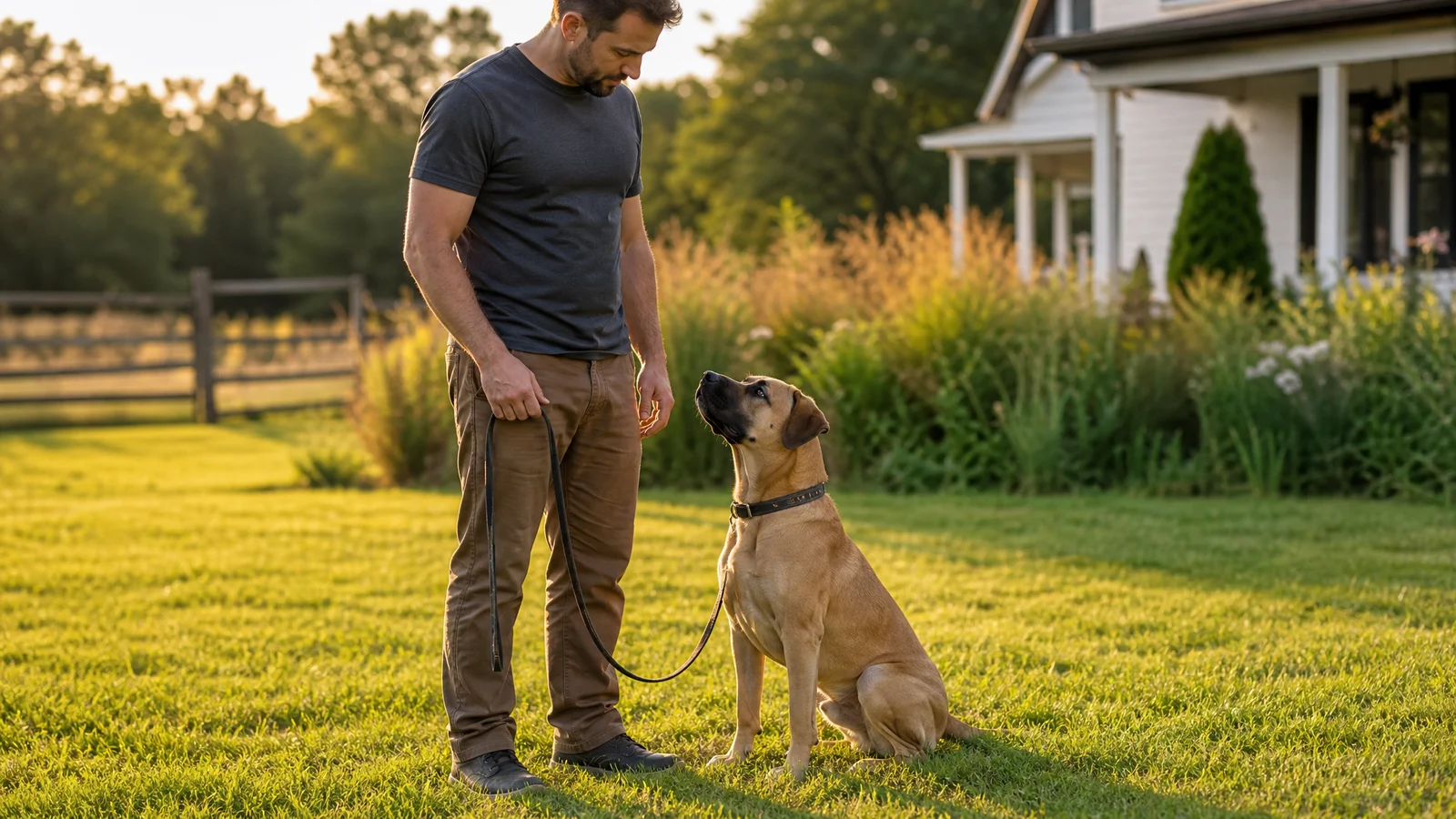 Training basicsBlack Mouth Cur Temperament: Are They Easy to Train?