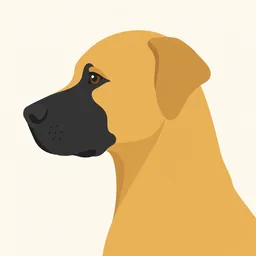
 Black Mouth Cur

Some Black Mouth Cur households can't finish a phone call without the dog baying at the window and bracing at the front door. Others watch the same delivery van roll past while their Cur goes back to sleep. Same breed, same standard, same kind of street. So what separates them?
The answer is rarely one thing. The breed standard describes a dog loyal and protective of the family, and in practice some Curs love everyone while others treat every stranger as a question. Handled badly, that protectiveness becomes constant noise or real trouble. Handled well, you get a watchful partner who tells you something is up and then lets it go.
We specialize in this breed's behavior and training. We'll walk you through sorting instinct from true problems and choosing how to handle barking, then telling guarding from aggression, spotting red flags, and deciding when to call in help.
Instinct or Behavior Problem
Your first decision is whether you are looking at the breed doing its job or at a pattern that needs real intervention. A workable rule is this. If the behavior has a clear trigger, is predictable, and settles soon after the trigger leaves, treat it as instinct to manage. If it escalates, spreads to new situations or leaves your dog unable to recover, treat it as a problem.
The standard pairs tenacity and courage with a strong desire to work, and it says the breed should be judged as a working dog, with faults weighed by how much they interfere with work. That framing helps at home too. Ask whether the behavior would be useful on a job, and whether your household gives that energy anywhere to go.
Loyalty and Reading You
Loyalty shows up as shadowing you, checking in on walks and sizing up strangers by watching your reaction. Many owners see a Cur stay neutral or turn friendly once given a go-ahead, which means your response is information your dog uses. If yours looks to you before deciding about a visitor, give a clear, calm cue on purpose. Our look at temperament and trainability explains why this attentiveness helps training.
Protectiveness and Its Range
Protectiveness has the widest range in the breed. Plenty of Curs love nearly everyone and seek out passersby, others distrust all strangers, and some are warier of particular people: men more than women, tall men approaching head-on, hats, uniforms, delivery workers, or anyone pushing too hard to make friends. Find out which kind of dog you have before you plan anything.
That is why "socialize them with everyone" is overrated advice for this breed. Meeting hundreds of people teaches little to a dog whose trouble is one kind of approach, and some of these dogs are relaxed in a crowd but not with one person walking straight at them. List the triggers, then pair each with calm, rewarded exposure at a distance where your dog still takes treats.
Home changes things. Several owners say their Cur ignores strangers in public but turns vocal, growly or guarding at the driveway, the door and deliveries, even when otherwise friendly. That is territory, and the next two sections give it a plan.
Drive and Energy
Drive covers stamina, intensity and a need to work. A Cur who gets wildly amped up is often overdue for hard play, and some owners notice the energy drop after time with a sturdy playmate who can wrestle. If trouble clusters on low-exercise days, fix the day before you fix the dog. Ideas for outlets are in our guide to jobs and sports for this breed.
Choice made: call predictable, trigger-bound behavior instinct and manage it. Reserve the word problem for behavior that escalates or spreads.
Black Mouth Cur Barking Problems
Barking is where instinct first becomes noise. The standard prefers silent trailers and never wants a full-blown bawl mouth, yet it allows a loud, deep chop, a ringing cry or a slight yodel. A voice is part of this breed, so a Cur who sounds off at a car in the driveway is not broken. What you decide is whether to manage the barking, redirect it or train it down, and the trigger picks the tool.

- If the barking happens at windows, fences and the driveway, manage first. Block sightlines with window film or gates, because each time a passerby walks off after a bark, your dog learns that barking works.
- If you can spot the bark building, redirect before it arrives. Watch for the body language that comes just ahead of the noise, then ask for a sit or down first and reward it. If they have already started barking, call them away with their name or a hand target and reward the turn.
- If the barking is frequent, spreads to new triggers or follows no pattern, train a quiet cue. Mark and treat any pause, even a brief one, then stretch the pauses. Teach going to a mat when the doorbell rings.
Night barking needs its own note. Protective Curs may bay or wake you after dark, so move the bed or crate away from front-facing windows, give your dog a settle spot and reward quiet the moment you hear it. Reward-based training works because food, toys or praise make the behavior they follow more likely again.
Some trainers advise simply waiting out the noise. For a dog on duty, that tends to fail, because the bark gets paid the moment the intruder walks away. Change what your dog sees and what you reward instead.
Choice made: manage the view first, redirect the early bark, and train a quiet cue for whatever remains. Aim for a bark that stops when you ask, not for silence.
Guarding Versus Aggression Problems
Guarding and aggression can look alike from across the room, and they mean different things. The standard calls the breed loyal and protective of the owner and family, yet it disqualifies viciousness and extreme shyness, so aggression is not a breed ideal.
Your job is to read what your dog is doing and why. Protective guarding is about a boundary and ends when the boundary is respected. Aggression aims at harm. Fearful dogs sit in between, and they need a different plan from either.
Protective Signals
Protective guarding is usually loud, points toward a place or person, and stays responsive to you. Your Cur barks at the driveway, positions between you and a stranger on a walk, or stiffens at a tall man approaching head-on, then relaxes when you step in. If they check your face, soften at your go-ahead and take a treat soon after the trigger leaves, you have guarding you can shape.
Fear-Based Signals
Fear-driven reactivity looks different. Many owners find their Cur ignores strangers in public but turns vocal or growly at home, barking at visitors, drivers, or deliveries, and some bark at people who push too hard to be friends. The body gives it away: weight shifted back, avoided eye contact, then a burst of noise to make the person leave. Here distance is the fix, not more exposure. Resource guarding of food or toys is typically based in anxiety too.
For a wary dog at the door, ask guests to ignore your Cur until they choose to approach and touch a hand, then give a treat. This simple reward-based routine often helps a wary dog settle, because the dog sets the pace and good things follow calm contact.
A Side-by-Side Check
This table sets the signs next to each other so you can sort what you see.
| What you see | Protective guarding | Cause for concern |
|---|---|---|
| Body | Upright and forward, loosens quickly | Weight back, or stiff and locked |
| Response to you | Looks back, accepts a cue or treat | Ignores you and refuses food |
| Recovery | Settles soon after the trigger leaves | Stays wound up long afterward |
| Target | A place, a driveway or one kind of approach | Many people, spreading to new situations |
Choice made: if your dog responds to you and recovers, shape guarding with rewarded calm and managed sightlines. If they don't, move on to the red flags.
Real Aggression Behavior Red Flags
The fourth decision is whether this is still instinct at all. Behavior has gone beyond instinct when it stops responding to your management or aims at harm. Watch the adolescent and young adult years closely, because social maturity develops between 12 and 36 months, and aggression and anxiety problems tend to surface in that same stretch. A sweet young Cur can change.
These signs mean the situation has moved past a quirky protective dog:
- Your dog has bitten or tried to bite a person, or their teeth have made contact with skin.
- Reactions stay intense after the trigger is gone, and your dog cannot recover or take food.
- Guarding of food, toys or spaces is getting stronger, or protectiveness sharpened sharply after a frightening event.
- Hostility toward other dogs is growing, including playfulness that turned hostile or tension with a housemate dog as your Cur matured.
- Behavior changed suddenly in an adult or senior dog, which calls for a vet visit to look for pain or illness.
- You are avoiding normal life, or shutting your dog away whenever guests visit.
Other dogs deserve a separate look. Many Curs adore people yet care little for other dogs, and a second dog in the home can be resented. Some owners report leash reactivity toward midsized or larger dogs while their Cur is fine at the park or boarding, and a few describe a Cur who finishes fights others start. Introduce slowly, feed apart and separate at the first tension.
Until you have help, manage rather than test. Use gates, keep a leash on for introductions, give your dog a quiet room when guests visit, and pause any trigger practice. Keep regular vet visits on the calendar too, since health changes can drive behavior.
Choice made: any item on that list moves you from home training alone to professional help.
Choosing Help for Black Mouth Cur Behavior Problems
Most barking, wariness and boredom can be handled at home. The test is safety and progress. If the behavior is predictable and improving over weeks, keep going and keep notes. If it is intense, involves teeth or has stalled, call someone. Waiting rarely helps with a strong, athletic dog who rehearses the behavior daily.
What You Can Handle Yourself
Noise at the door, wariness of certain people, pushy greetings and restlessness are all workable at home. Use distance, small treats and a mat, and pair each mapped trigger with calm exposure. Build the foundation first with our complete training guide, and if your Cur is young, follow the puppy training timeline so habits form before they set.
How to Pick a Professional
Choose someone who uses reward-based methods only and has worked with strong, working-bred or protective dogs. Ask them to describe a typical session. You want to hear about distance, food, play, management and a plan you can repeat at home. Start with your veterinarian to rule out pain or illness, and ask for a referral to a behavior specialist if your dog has any bite history.
Choice made: handle it at home when it is predictable and improving, and call a professional for anything involving teeth, escalation or a stall.
One Step Today for Behavior Problems
Today, open a note on your phone and start a trigger log. Each time your Cur barks or guards, write down the time, what they saw or heard, where you were, who was there and how long they took to settle. Nothing more. Do not change your training yet.
After several days the log answers the questions in this article. A bark tied to the window points to management. A bark that stops at your cue points to redirecting. A stiff body, refused treats and slow recovery point to a call to your vet and a professional. The log turns a vague worry into a decision.
A Cur is bred to work, watch and care about the family. Give that drive a plan and an outlet, and the instincts that cause trouble become the dog who alerts you once and then settles.
 Training basicsCrate Training a Black Mouth Cur and Preventing Separation Anxiety
 Exercise and jobsHow Much Exercise Does a Black Mouth Cur Need? Plus Brain Games
 Training basicsHow to Potty Train a Black Mouth Cur Puppy