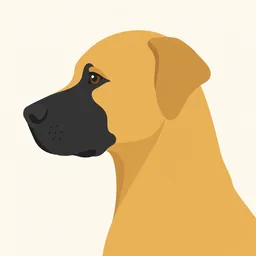
 Black Mouth Cur
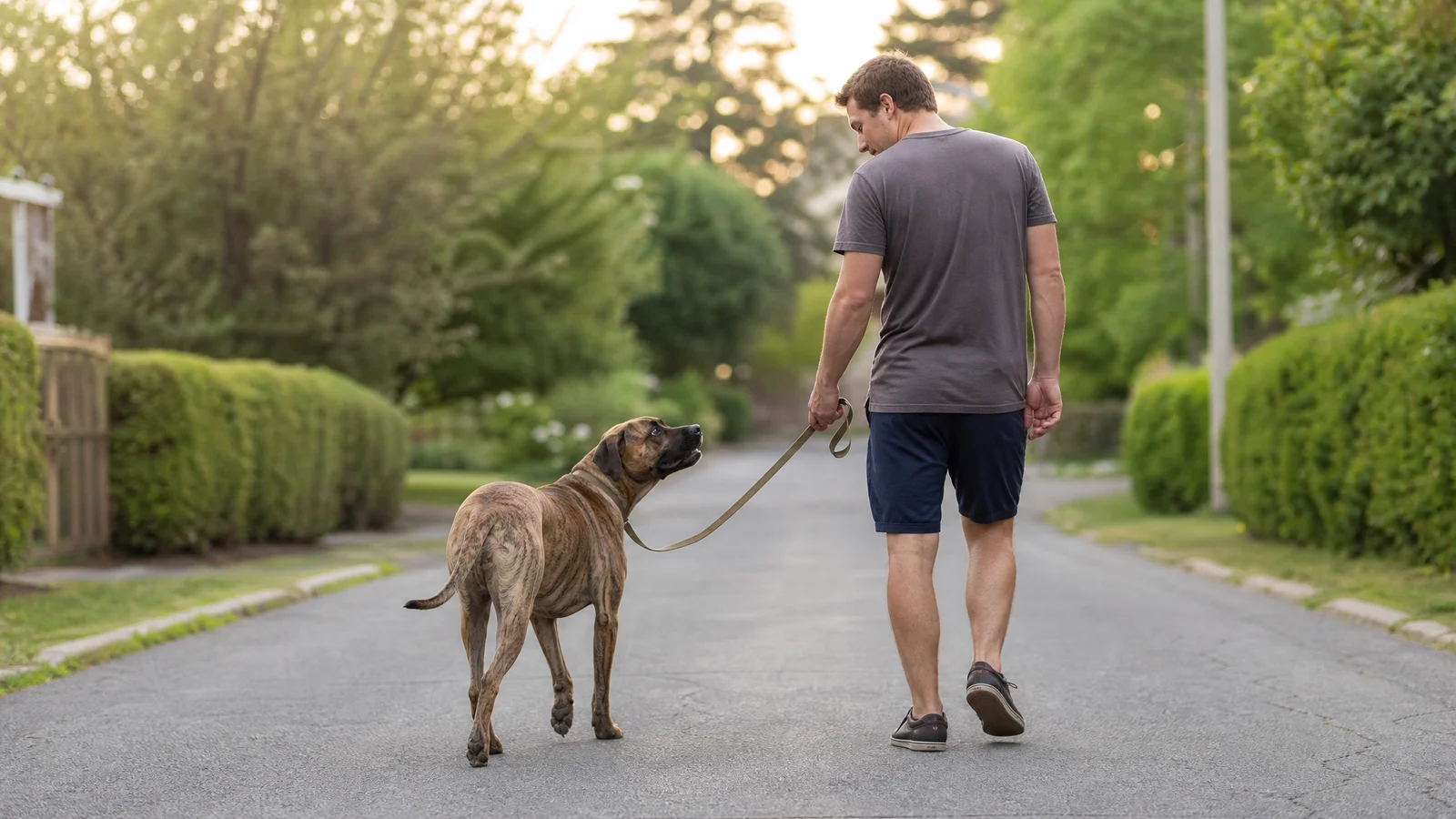
Loose-leash walking begins where a Black Mouth Cur can still notice you. If the route begins at full excitement and stays difficult, pulling keeps moving the dog forward while your cues become background noise. Start smaller, reward slack and change distance before a lunge.
This article follows one explicitly hypothetical route. It is a teaching example, not a dog we trained and not a claim about an actual owner. The route runs from a home gate to a quiet road, past one moving distraction, and back home.
In this article, we'll go through the setup, the gate, the first stretch of loose leash, the moving trigger and the turn home. Each point shows what the handler observes, what they do next and why that choice fits a powerful, agile dog bred for stamina.
Set Up Black Mouth Cur Leash Training
Our hypothetical dog knows their name indoors and will take food in the yard, but pulls toward the gate and may lunge at fast movement. The handler chooses a quiet time, carries small rewards and decides in advance that reaching the end of the road is optional. Learning, not distance, defines success. The breed standard describes a powerful, agile working dog with stamina and a strong desire to work.
Those facts explain why a repetitive tug toward a destination can become a determined project. They do not prove why an individual dog lunges, so the handler watches the actual trigger and response. The handler also defines a working side for delivering rewards, but does not demand that the dog remain glued there. The useful picture is a curved, loose line and a dog who can orient back when asked.
That leaves room for normal sniffing while keeping communication available. Equipment guidance is outside the brief's evidence, so this example begins only with secure, comfortable walking gear already suited to the dog. The handler checks that gates close, rewards are accessible and the route offers room to turn away.
Regular veterinary visits remain part of the plan, especially if pulling or gait changes suddenly. Reward-based work still has structure. The humane training framework teaches desired behavior with routine and clear guidelines. Here, slack opens access to the route, attention earns rewards and extra distance protects the dog when a distraction is too difficult.
Leash Skills at the Gate
The hypothetical walk begins inside the closed gate. The dog can see the exit and leans forward, so the handler does not cue a long sequence. They wait at a workable distance from the gate, mark one glance back and deliver the reward near their own leg. If the dog can eat and turn back, the current distance is usable. If they stare through the gate and ignore food, the handler steps farther into the yard.
The First Decision Is Distance
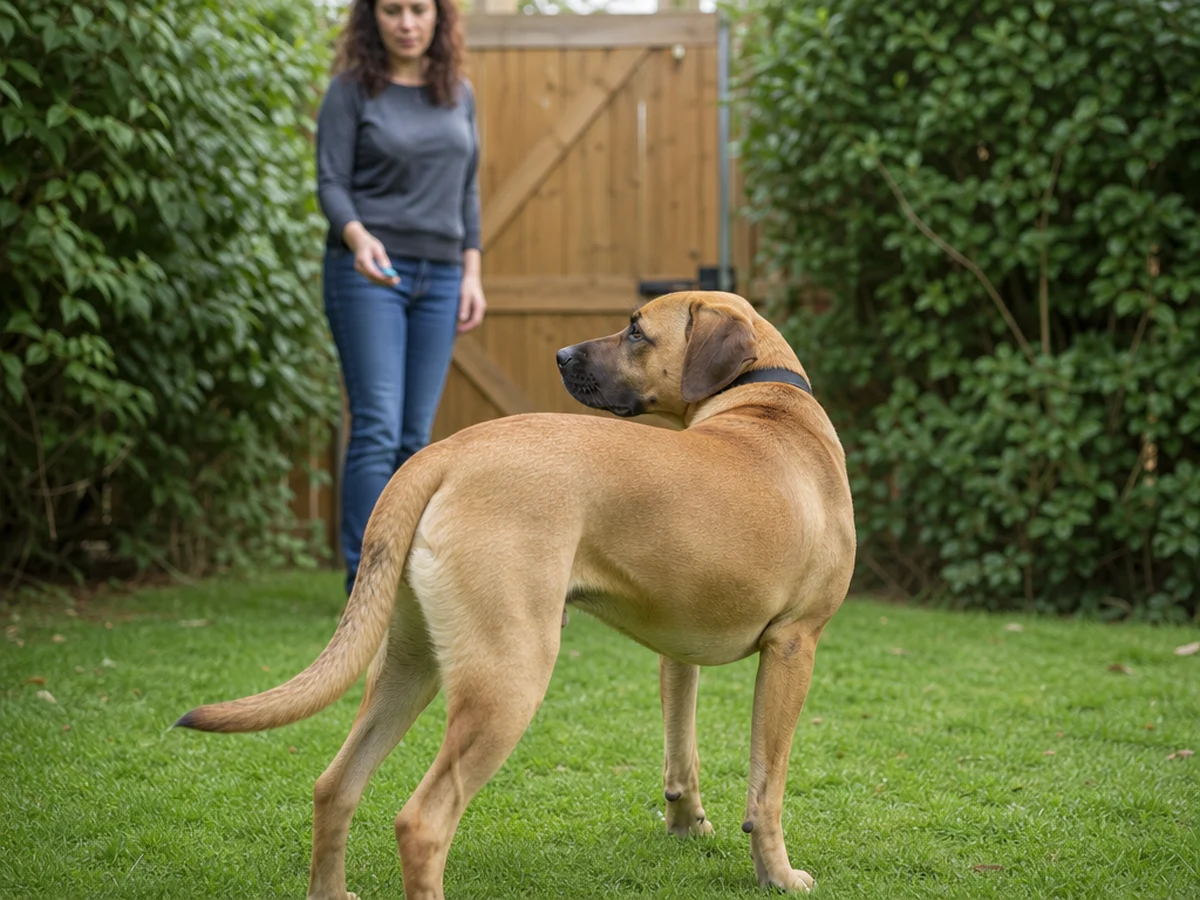
Distance is not retreat from training. It creates the thinking space in which leash training can happen. After several easy check-ins, the pair approaches the gate by a small amount. A tight leash pauses the approach, while slack allows another step. PDSA's loose-leash guidance says to stop when pulling starts and wait for it to ease rather than dragging the dog onward.
The Gate Opens in Pieces
The handler touches the latch, rewards slack and removes the hand. Next the gate opens a narrow amount, then closes. The dog is learning that calm behavior controls access, while charging makes the interesting event pause. The lesson stays brief enough that frustration does not take over.
When the dog can look through the opening and return attention, the pair steps outside and immediately curves away from the gate. They do not march straight down the road. The curve prevents the first seconds from becoming a forward sprint and gives the handler an early chance to reward following. If the dog surges as the gate opens, the pair returns to the yard and restores the easier picture.
The gate is not withheld as a contest. It is reset so the dog can discover which behavior makes the route continue, keeping the handler focused on teaching rather than winning.
Loose Leash Work on the Quiet Road
On the quiet road, the hypothetical dog walks several steps with slack, then reaches the end of the leash toward a scent. The handler stops. The instant the dog shifts back and slack returns, the handler marks, rewards and walks toward the scent as a life reward. This exchange gives the leash a consistent meaning.
Slack Buys Movement and Sniffing
Tightness pauses forward travel, while slack restores movement or earns permission to investigate. Best Friends also advises changing direction when stopping is not enough, then rewarding the turn with praise and food. The handler varies the reward. Sometimes food arrives near the leg, sometimes a sniff release follows, and sometimes the pair changes pace together for a few steps.
Variety matters because the environment can be more valuable than food to a dog who is already scanning and scenting. The road remains quiet, but the handler does not wait for pulling to rehearse attention. They reward offered check-ins, especially after a sound or a change in the surroundings. Our complete Black Mouth Cur training guide develops that focus skill away from the route as well.
The hypothetical pair turns once before the end of the road while everything is still going well. They walk several steps in the new direction, reward slack and turn back. This small rehearsal makes a later emergency turn familiar, so changing course near a distraction is not a brand-new request. Progress is visible in the shape of the leash, not in a perfect heel.
The dog can move ahead, sniff and look around while the line hangs loose and the handler's direction still matters. That freedom fits an active dog better than requiring one fixed position for the entire outing.
A Moving Distraction Changes Leash Training
Halfway down the hypothetical road, a fast-moving dog and person appear ahead. Our Cur's mouth closes, body rises and attention fixes forward. The handler sees the change before the lunge and turns across the road into a broad driveway, increasing space without waiting for an explosion. The original goal was slack walking toward the end of the road.
The Goal Changes From Walking to Recovery
The new goal is simpler: the dog can notice the moving pair, turn back and take food. The handler feeds near their body, then moves in a curve away. They are not asking for a close pass to prove anything. If the Cur can look and return attention, the handler marks that choice and keeps the distance generous. If the dog cannot disengage, they leave by the safest available route.
Lunging practice is not required for learning. A successful decision may be noticing early and never reaching the point of a lunge. The trigger's identity matters less than the dog's response in this worked example. Fast movement might produce excitement, concern or frustration, and those motivations need different long-term plans.
On this route, the safe shared response is distance, recovery and a lower demand. Once the moving pair disappears, the handler waits for soft movement and normal food interest before proceeding. They do not hurry back to the exact spot of tension. The route now turns toward home because one useful recovery is worth more than finishing the planned distance.
On another day, the handler can begin farther from the same kind of movement and practice short looks before leaving. Today is not that session. The example stays honest about what the dog could manage, and success lies in preventing escalation while preserving communication.
The Leash Training Turn Home
The return leg is part of the lesson, not dead travel. The hypothetical dog has already worked through the gate, practiced slack and recovered from a difficult sight. Fatigue can make pulling return, so the handler lowers expectations and rewards more frequently on the way back. A familiar sniff area becomes a decompression stop.
The dog investigates on a loose leash, then follows a cheerful direction change away. The handler uses the same rule as before: slack produces access, and tension pauses movement. Consistency makes the route readable even when the dog is tired. At the gate, the pair pauses outside rather than rushing through. The handler rewards a check-in, opens the gate and curves into the yard.
Inside, they scatter a little food in the grass and allow the dog to settle before removing the walking gear. The session ends without another difficult test. A Cur bred for stamina may appear ready to continue, but mental effort and physical endurance are not identical. The Black Mouth Cur temperament guide gives more context for directing that persistence.
Run Your Own Black Mouth Cur Route
The hypothetical route is useful because each location has one decision. At the gate, ask whether the dog can think. On the quiet road, make slack valuable. At a moving distraction, protect distance. On the return, lower difficulty and preserve the pattern. Before trying your own version, write the route in a few lines. The map should show where learning becomes easier, not merely where you hope to travel:
Before trying your own version, write the route in a few lines. The map should show where learning becomes easier, not merely where you hope to travel:
- Name the exact gate or doorway where the lesson starts and the space available to step back.
- Choose a quiet stretch where you can reward slack without constant surprise encounters.
- Mark one safe place to add distance if a person, dog or vehicle appears in motion.
- Choose the turn-back point before leaving, and allow yourself to turn sooner when the dog has worked hard.
- Plan the calm finish at home so removing the leash does not launch another burst of activity.
Keep the first real route easier than the one you hope to walk eventually. Reward-based training works through repeated success, and the RSPCA notes that giving a dog something they value after a behavior makes that behavior more likely again. Slack and check-ins need enough easy repetitions to become habits.
If lunging is intense, unpredictable or unsafe, begin with your veterinarian and a qualified reward-based behavior professional rather than reenacting this route alone. The example shows decision logic, not a substitute for an individual assessment. For today, choose the turn-back point before you touch the gate.
That single decision changes leash training from a test of how far a Black Mouth Cur can travel into a planned route where attention, slack and recovery decide what happens next.
 BehaviorSocializing a Black Mouth Cur With Kids, Dogs and Strangers
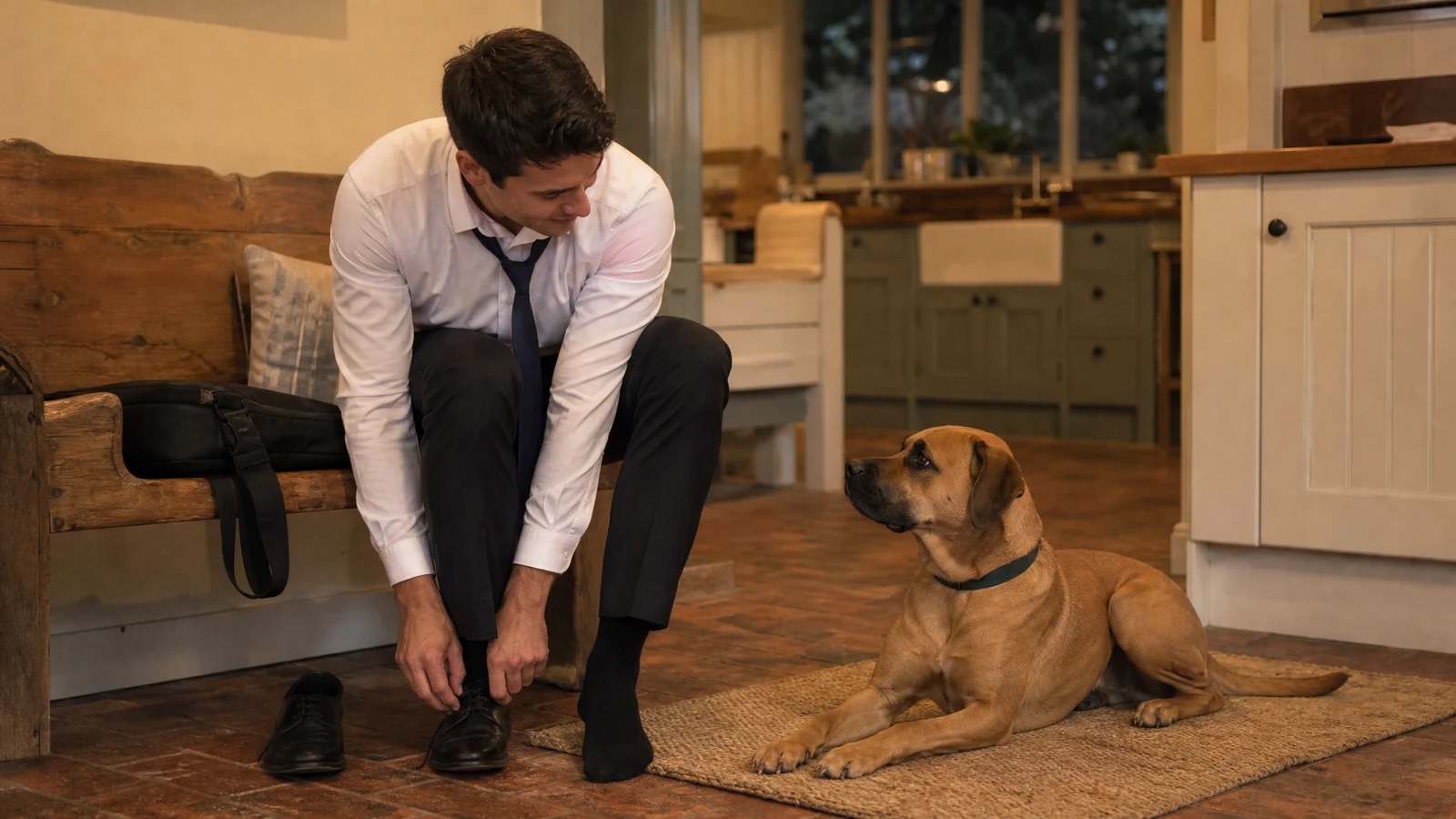 Exercise and jobsBlack Mouth Cur: Winding down after work
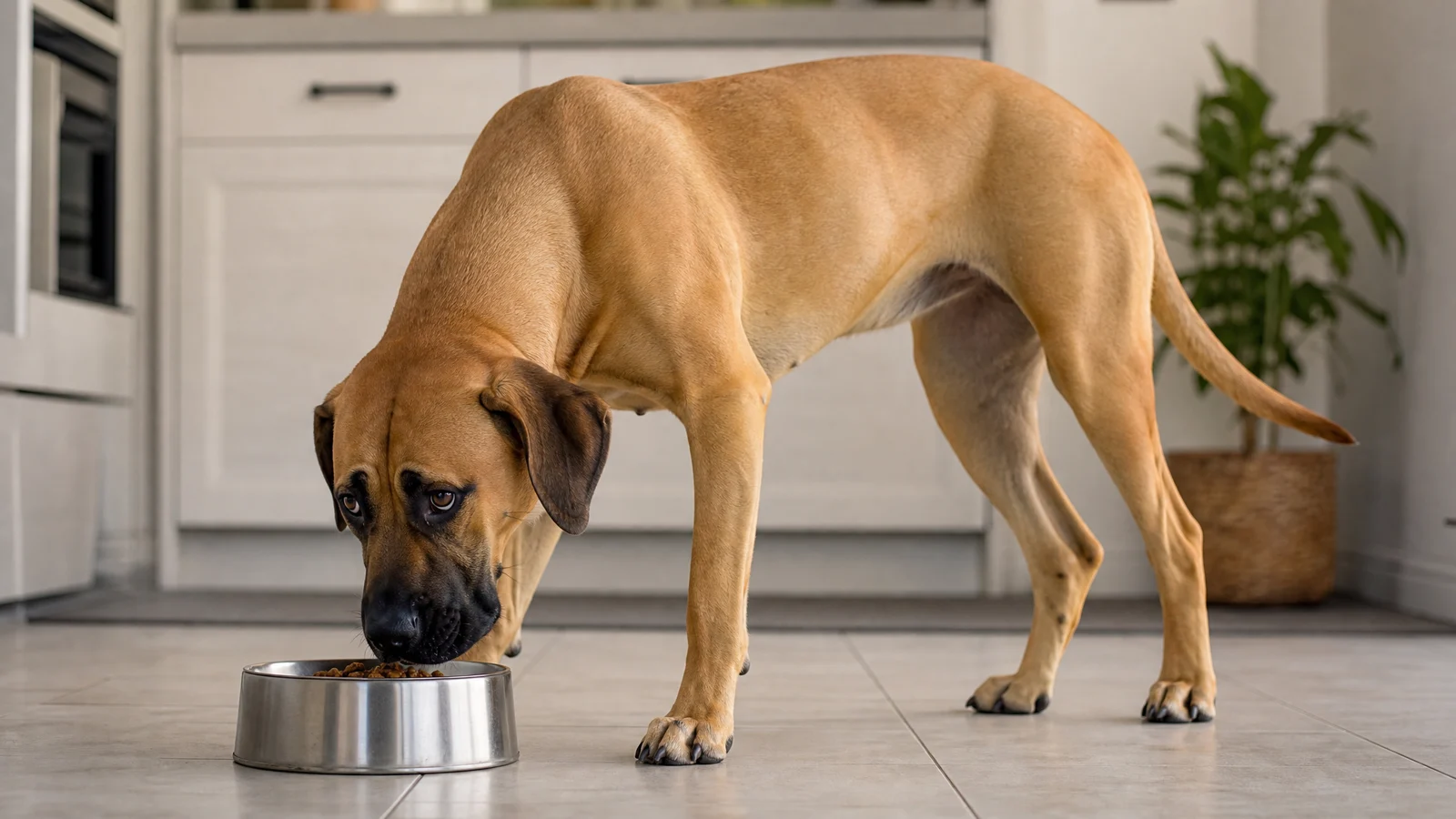 BehaviorBlack Mouth Cur Food Guarding: Building Trust Around the Bowl