 Black Mouth Cur
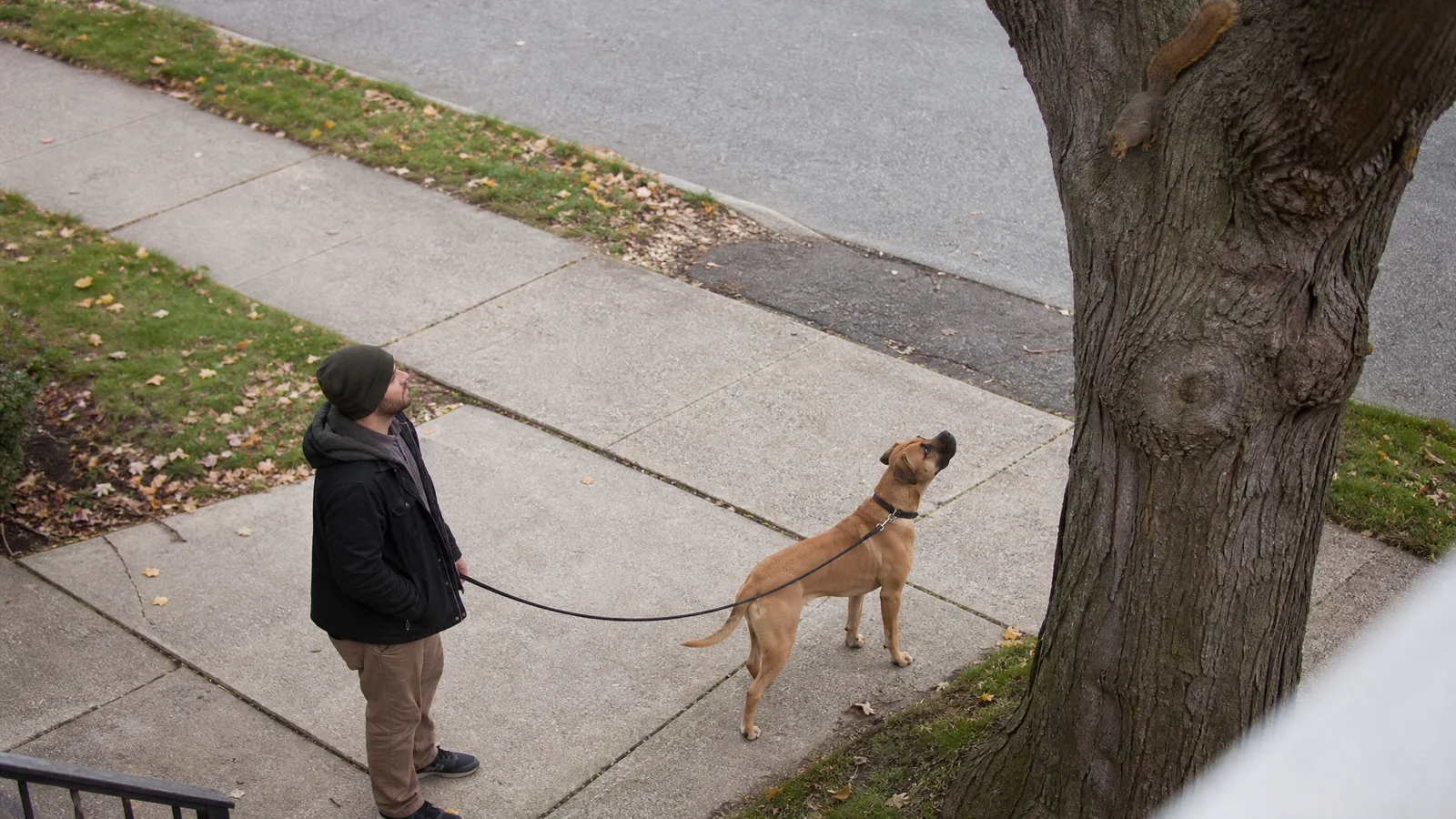
The nose goes down, then the head snaps up at a squirrel, a slammed car door, a neighbor's gate. On a busy walk, a high-drive Black Mouth Cur can lock onto every distraction and sail past sit, come and the sound of their own name. This is not stubbornness. It is a stamina breed with plenty of drive and no job, so the world keeps offering better work than yours.
This article looks at how to train a Black Mouth Cur without fighting their drive, so you can teach a first cue with focus games, raise the difficulty through distance and distractions, and build a settle that lets a tireless dog finally rest. Get it right and you gain a sharp, tuned-in partner. Get it wrong and the same energy finds its own work, like patrolling the driveway and announcing every delivery.
Why Drive Makes a Black Mouth Cur Hard to Train
The breed standard describes tenacity and courage, a dog bred for stamina, and a breed that should be judged as a working dog. A dog like that does not switch off when you say sit. They are busy reading wind, movement and sound, and your cue is one voice among many.
That is why we treat training as work your Cur gets to do with you, not obedience performed at them. In our experience with this breed, the dog who ignores cues on a busy walk has not decided to defy you. Nobody has yet shown them that paying attention to you is the best job on offer.
Home deserves its own plan. Many Curs act very differently indoors than out in the world: they ignore strangers on a walk, then bark, growl or guard the moment someone reaches the door, the driveway or the delivery step. Calm public manners will not carry over on their own, so teach the front door, the yard and the living room as separate settings.
Noise is the other thing to plan for. Some owners report dogs who bay or wake the household at night, and the breed standard even allows a loud, deep chop on bay or tree. A rewarded quiet cue, a settle spot and managed sightlines to the street take most of the heat out of the noise.
Rewards That Train With Drive, Not Against It
Reward-based training suits this breed because it gives their energy somewhere to go. Every treat, tug or sniff you hand over says that checking in with you pays better than the squirrel does. Reward-based does not mean permissive, because dogs still need structure, routine and guidelines, just ones taught kindly and free of fear, intimidation or pain.
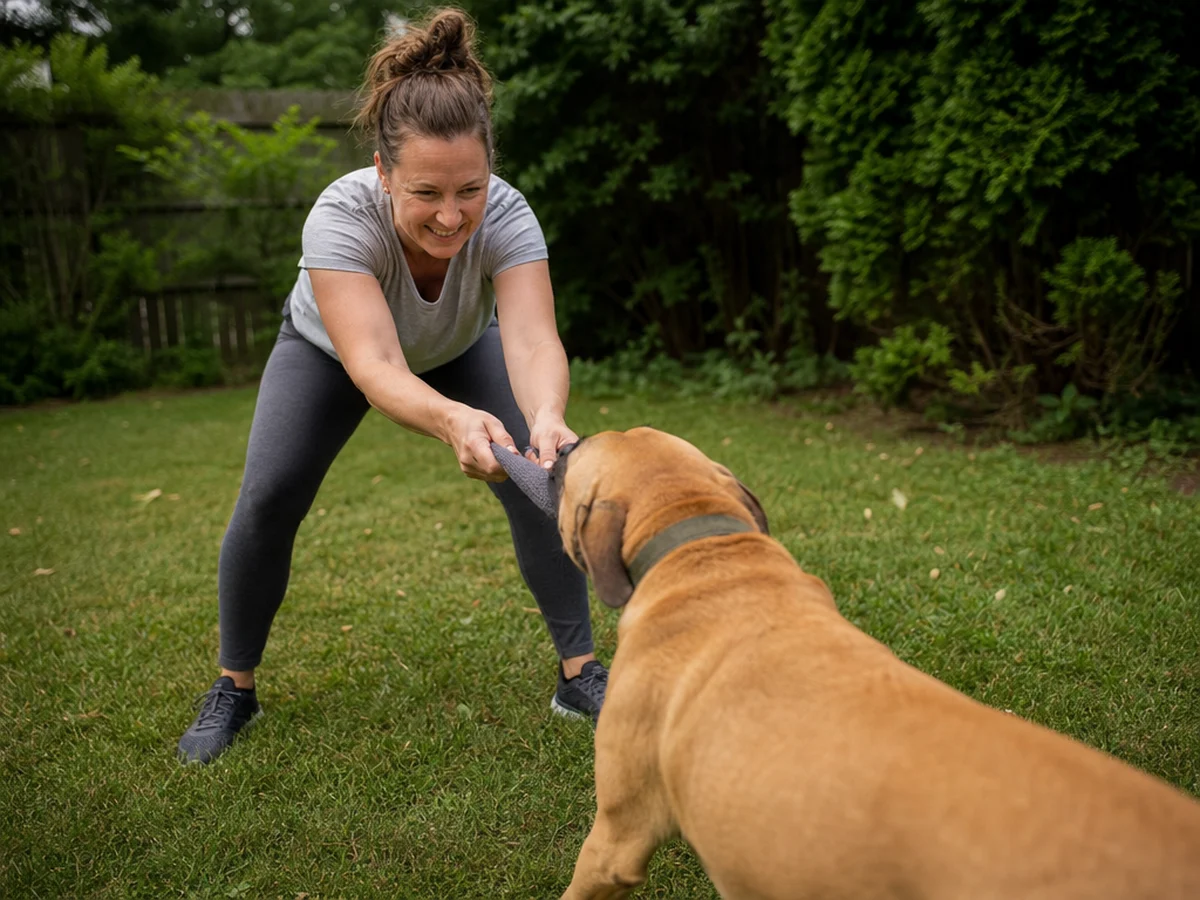
Most Curs carry more than one currency, so test several and watch which one makes their eyes light up. These are the rewards that tend to earn their keep:
- Small, soft treats are the workhorse for fast repetitions, because the dog can swallow and be ready for the next try.
- Tug and chase games carry big value for a dog with this much drive, and ending the game on a calm cue teaches self-control along the way.
- Permission to sniff works as a life reward for a nose-led breed, so asking for a cue and then releasing them to investigate is a fair trade.
- Praise and touch matter to a loyal dog, though they rarely beat food in a distracting place.
Pair the reward with a marker word such as yes and keep your timing tight. Reward immediately once the dog has done the thing, because a stamina breed moves on to the next distraction in a heartbeat. Keep sessions short and end them while the dog is still eager for more.
A common tip says to run a Cur ragged before every lesson. With a breed built for stamina that mostly produces a fitter dog, so spend a few minutes on play and sniffing and then train while the brain is still fresh. Some owners also notice a young Cur gets most wound up when they are overdue for time with another big dog to mouth and wrestle with.
If your dog is bouncing and refusing food, more play before the lesson may help more than harder training, and our guide to Cur temperament and trainability explains the pattern.
Focus Games to Train the First Cue
The best first cue is attention itself, because every other skill rides on it. We teach it through games rather than drills, in stages that each end with the dog winning. Work in a quiet room with a handful of treats and nothing else competing.
Make Your Face Interesting
Start without any cue. Wait for a glance toward you, mark it with yes and deliver the treat right at your chest so the dog learns where the good stuff appears. A Cur will often stare hard within a few rounds, because eye contact is the quickest way to earn the next treat.
If your dog is too amped to look, play a quick game of tug and try again. A dog who has already had some of their drive met can think.
Put a Name on It
Once the glances come quickly and on purpose, say a word like watch just before the dog looks. Say it once in a friendly voice, mark the eye contact and reward. Repeating the word over and over teaches the dog that it means nothing, so be patient and let the behavior come to you.
Now stretch the moment. Reward a longer look, then a look that holds while you shift your weight, then one that holds while you take a step. You are building the habit of checking in with you before anything else.
Add Sit as the Follow-Up
With attention in place, sit becomes easy. Hold a treat near the nose, lift it slowly over the head so the bottom drops, then mark and reward. After a few repetitions, begin phasing out the treat so the same motion works as an empty-handed signal, and add the word sit just before the movement.
Keep it playful. A sit that happens because the dog expects something good makes a stronger foundation than one they were pushed into.
Train a Black Mouth Cur Through Distance and Distractions
Once the first cue is solid in a quiet room, raise the difficulty in small steps and change only one thing at a time. If you add distance, duration and distraction all at once, a drive-heavy dog fails and looks away, and failure at the wrong moment teaches nothing. Turn one dial while the other two stay easy.
Distance and Duration
Distance means you step away before asking. Duration means the dog holds the position a little longer before the reward arrives. Work on these separately and drop back to the easy version whenever the dog starts to break early. Down benefits most here, so teach it from sit with a lure toward the floor, then build how long they stay.
Recall belongs in the distance work too. Pick a happy word you use only for good things, start indoors, then move to a securely fenced yard and later to a long line outdoors. Pay with the best treat you own and then release the dog back to whatever they were sniffing, so coming to you never ends the fun.
Distractions and the Front Door
Begin with a low-value distraction like a dropped sock, then move up to a bouncing ball, then to a person walking past. Reward when the dog chooses you, and add space when they cannot manage. Many Curs size up a stranger by looking to the owner, staying neutral or turning friendly once they get a calm word or a go-ahead, so reward that look.
The door is the hardest distraction for most Curs, so give it a set routine instead of improvising. Wary dogs do best when they choose: guests ignore the dog, wait for them to come over and touch a hand on their own, and then the dog gets a treat. Exuberant dogs do better with a leash and a planned introduction.
Other dogs deserve the same context thinking. Some Curs are fine at the dog park or boarding yet react on leash, or when a larger or intruding dog enters their space. Start far enough away that your dog is still able to eat treats calmly, and close the gap only as they stay relaxed.
Teaching a Black Mouth Cur to Settle
A stamina breed will not learn to rest by accident. Left alone, many Curs stay on duty all day, tracking sounds, watching windows and patrolling the fence line. Settling tells them they can stand down, and it may be the most valuable cue you teach.
Pick one mat or bed and put it somewhere out of direct view of the driveway. That one choice takes a lot of pressure off barking, because the dog is no longer watching every delivery truck roll by. Then walk through these steps in order:
- Reward any glance, sniff or step toward the mat while the dog is calm, and drop treats on the mat itself.
- Reward all paws on the mat, then reward a down or a hip roll on it.
- Add a cue word once the dog goes to the mat on their own, and pay slowly with long pauses between treats so calm stretches pay.
- Build duration with a chew or food toy while you sit nearby, then while you move around the room.
- Add a mild distraction, like a knock or a footstep, and reward the dog for staying put.
Then put the mat to work. When a delivery arrives, thank the dog for the alert and send them to the settle spot for a treat instead of letting them run the door. At night, a mat near your sleeping area and rewards for quiet moments teach many baying Curs that the household is under control.
Some Curs find resting very hard. Add a calm outlet before the lesson, such as a sniff walk, and keep early sessions easy so the dog wins more than they lose.
Daily Outlets That Make a Cur Easier to Train
Training sessions are short, which means most of the day still needs an outlet. A Cur who gets real work in the hours between lessons is far easier to teach, because the energy has somewhere to go besides your couch. Everything here stays well away from hunting or field work.
Scent Games and Puzzles
Nose work suits almost any dog and gives a restless one something to concentrate on, while also building confidence in shy ones. Hide treats in a room, then in the yard, then add a cue to start the search.
Food puzzles and snuffle mats turn a meal into a job, which tires the brain as much as the body. For more structured ideas, see our piece on jobs and sports.
Play With Rules
Tug and fetch with a cue to start, a cue to drop and a cue to wait for the next throw give a physical dog an outlet and teach manners at once. If a young Cur pesters a smaller or older dog in the home, separate them when the puppy gets wound up. When mouthing gets rough, turn quietly away or give a few calm minutes in the crate rather than adding excitement.
Well-matched social time helps as well. Some owners find the dog park fine but leash meetings hard, so pick the setting for your dog.
A Daily Rhythm
A sniff-heavy walk makes a good start to the day, followed by a brief training session on one skill. At midday, give a food puzzle or scent game, then let the dog rest on the mat.
In the afternoon or evening, offer play with rules, and finish the night with a chew and a settle.
If you have a young dog, our puppy training timeline shows how to scale this with age. Regular vet visits belong on the calendar too, since a dog in hard, muscular working condition feels better and trains better.
Black Mouth Cur Training Progress and Red Flags
Progress with a Cur rarely moves in a straight line. You will notice it first in small things, like how quickly your dog finds your face after a distraction, and later in big ones, like how the house sounds when the delivery truck pulls in. These signs say the training is working:
- The dog glances back at you during walks without being cued and recovers quickly from surprises.
- Focus games produce eye contact in a second or two, even outdoors.
- Settling comes sooner after exercise, and the dog stays on the mat while the house moves around them.
- Barking at the driveway or door fades once they are thanked and sent to the settle spot.
- Guests follow the greeting routine and the dog either approaches calmly or stays relaxed on the leash.
Other signs mean it is time to call in help. Ask your veterinarian first about sudden behavior changes, since pain and illness can look like attitude problems, then look for a qualified professional who uses reward-based methods. Our article on behavior problems and instinct helps you judge what is normal.
- Growling, lunging or snapping at guests, especially when intensity keeps rising over time.
- Protectiveness that jumps after a scare, such as a break-in, until the dog can no longer be around visitors.
- Fights with other dogs, including in the home, or hostility that has grown from play into something harder.
- Extreme timidity in public paired with barking at home.
- Growls you cannot read, since some Curs growl while being petted and the meaning matters.
A Black Mouth Cur's drive does not go away, so give it a place in your day before the dog picks their own. Teach focus as the first game, build it gently, and give your Cur a mat to rest on and plenty of smart work to do. You will end up with a partner who wants to work with you instead of around you.
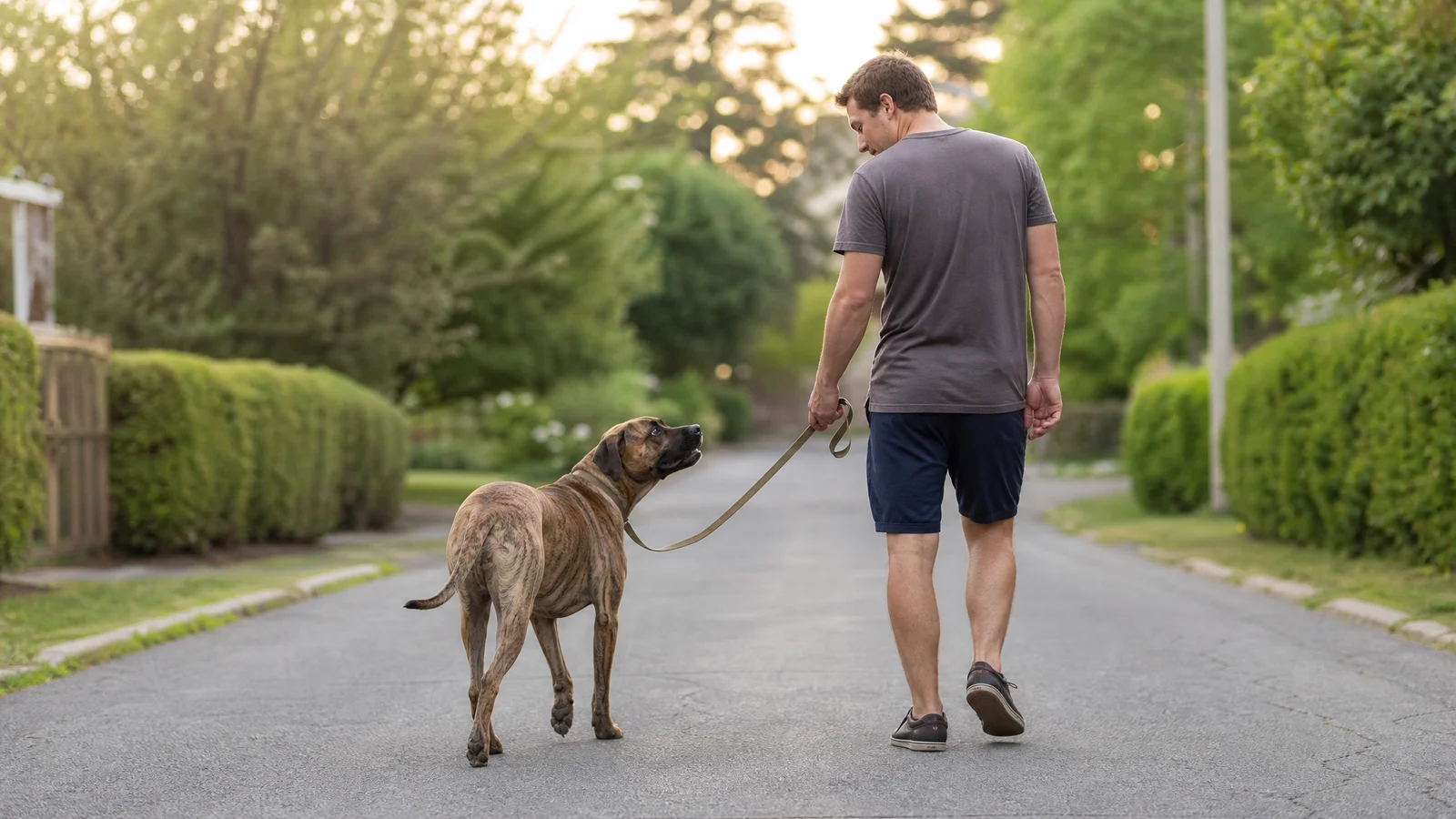 Training basicsLeash Training a Black Mouth Cur Who Pulls or Lunges
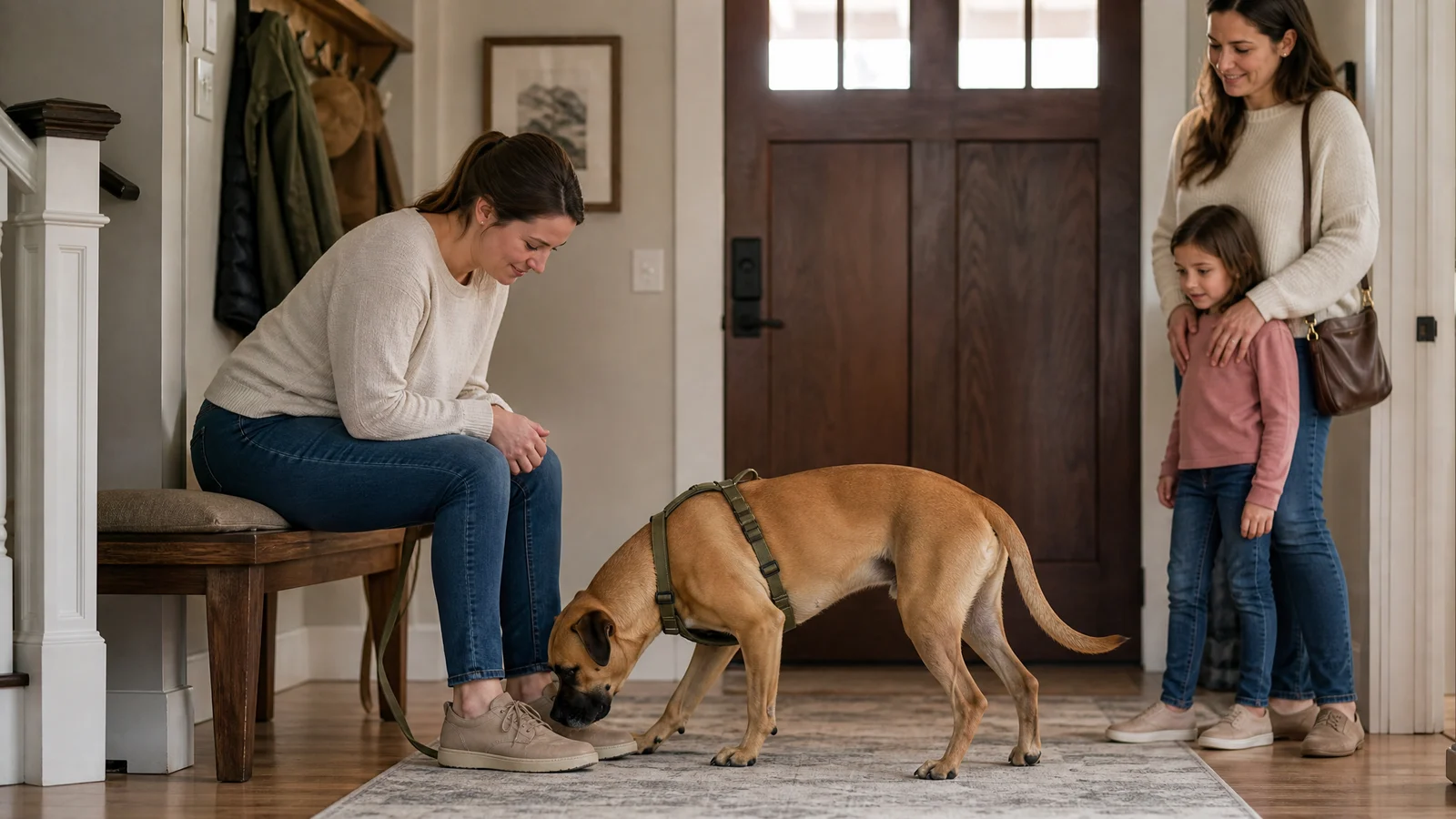 BehaviorSocializing a Black Mouth Cur With Kids, Dogs and Strangers
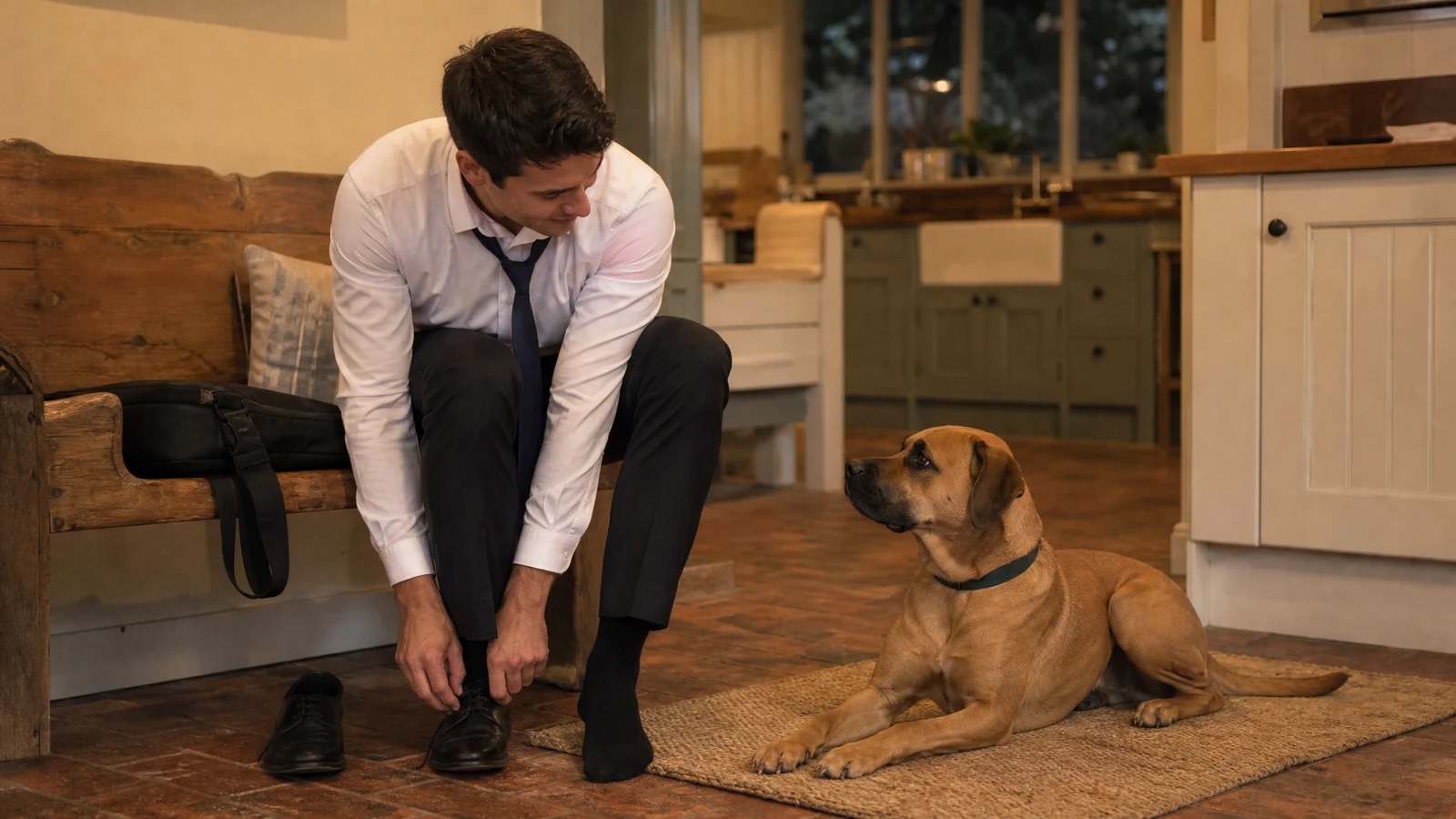 Exercise and jobsBlack Mouth Cur: Winding down after work